What can I say about Holy Week? It was extraordinary.
It was also a lot. Too much for even my most devoted readers (hi, Mom and Dad). Simone told me I should break the description of the week into sections, so I’m taking her advice. To my less devoted readers, apologies in advance for the multiple posts; feel free to skim the photos.
My sister’s husband, Tim, has developed and run the Wheaton College in Mexico program and has been living there on and off with the family since 2014. Even though Querétaro has been a big part of Leslie, Tim, and their kids’ lives, this was our first chance to visit the city. Like Puebla, Querétaro is a historic city with many buildings dating back to the 16th century. And, like Puebla, the city has developed rapidly in the past few decades with suburbs and industries continually pushing out the edges of the city.
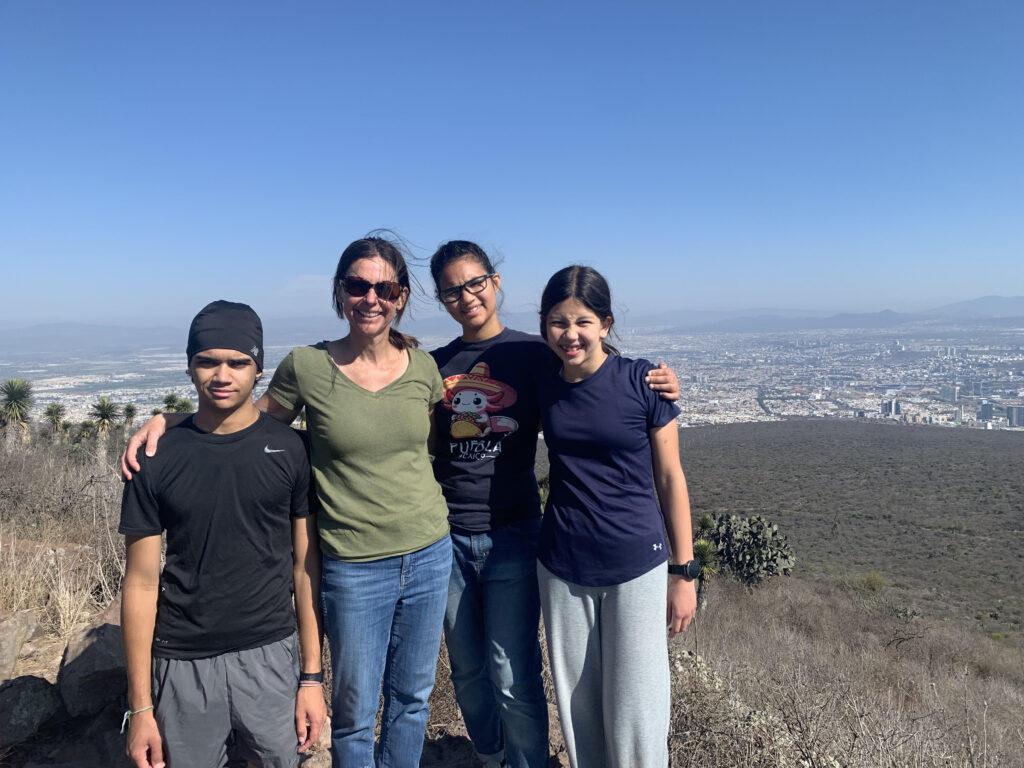
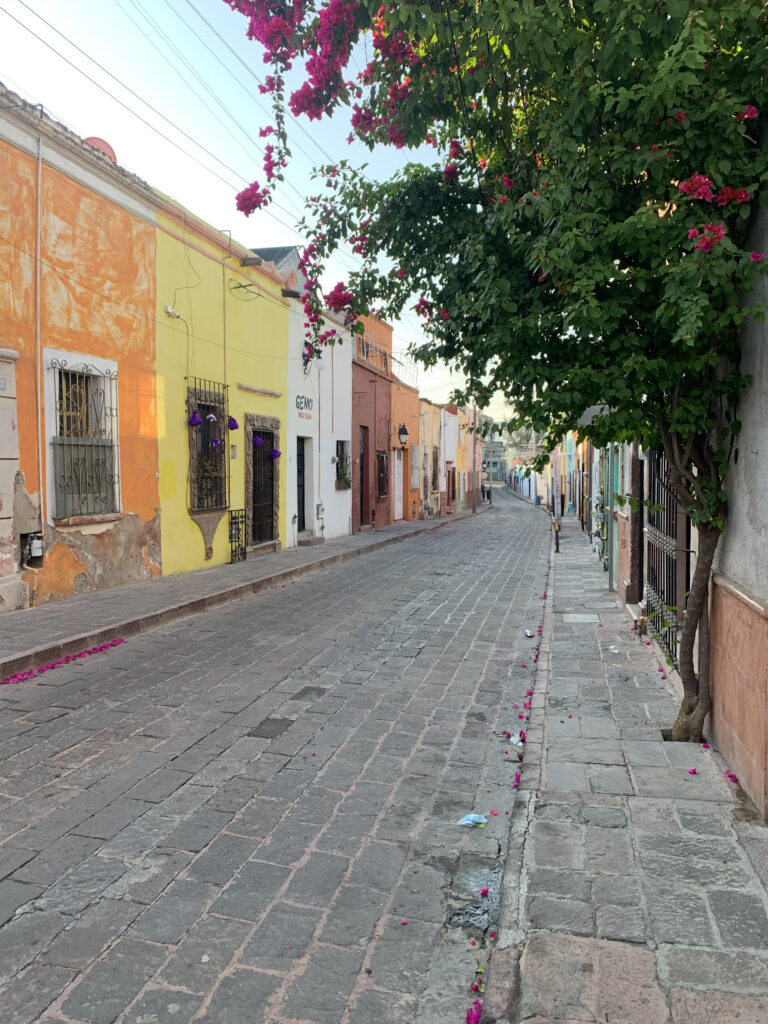
We arrived in Querétaro after a four-hour bus ride, and Tim had a delicious meal prepared for us. Tim’s doctorate is in history and was both an incredible host who is willing to feed teenagers and an amazing guide who could explain all that we were experiencing. Any mistakes I make in the descriptions of the week, I attribute entirely to him. (Just kidding, Tim.)
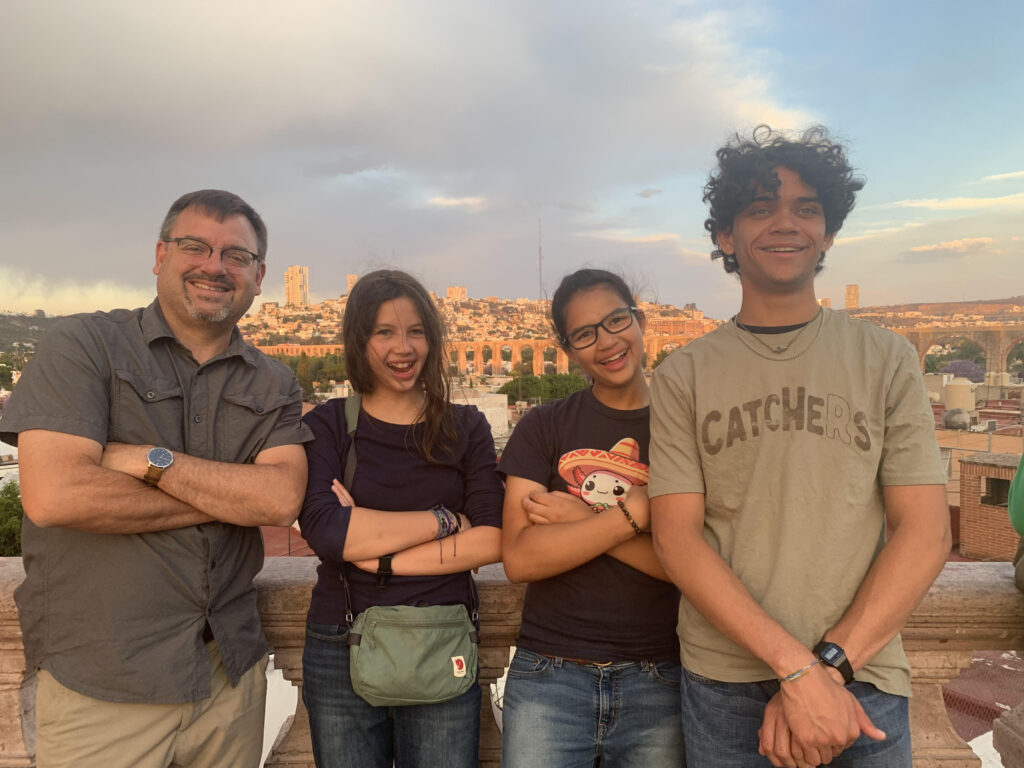
Thursday – La Visita de las Siete Casas (Visit to the Seven Houses)
During dinner, Tim explained that visiting seven churches is a way to remember Jesus’ journey from the Passover supper to Calvery with each stop a step in his journey. We waited out a rainstorm and then walked a few blocks to a church. The narrow streets were filled with people on the same journey.
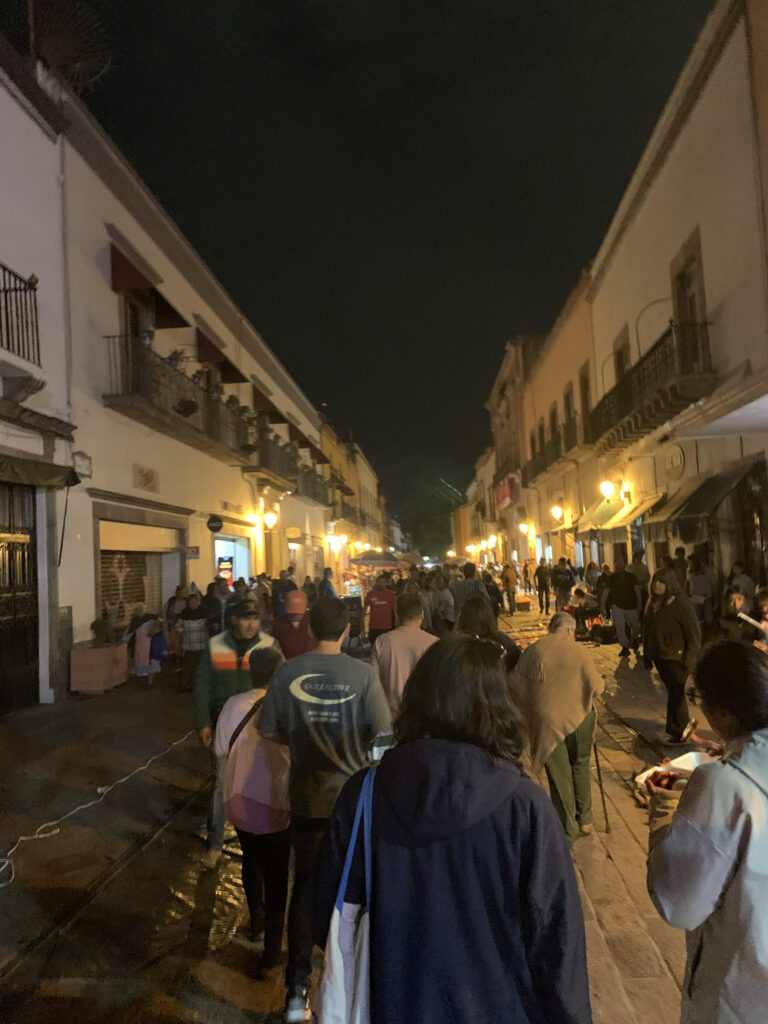
We walked a few blocks to our first church. As we got closer to the historic center, the streets filled with people also visiting churches. In front of a church, a man sold little booklets for about 50 cents telling us which scripture to read first.
I read the first scripture about Jesus in the Garden of Gethsemane to Tim and the kids, and we entered the church. At the front, women gave out bread rolls symbolizing Jesus as the bread of life and bunches of fresh chamomile representing the healing Christ brings. A silent parade of people streamed through the church. Much of the church was shrouded in purple cloth with crucifixes uncovered so that we could focus on this moment in Jesus’ journey. We sat in the pews to contemplate Jesus’ prayers in the garden and then joined the families funneling down the aisle and out a side chapel.
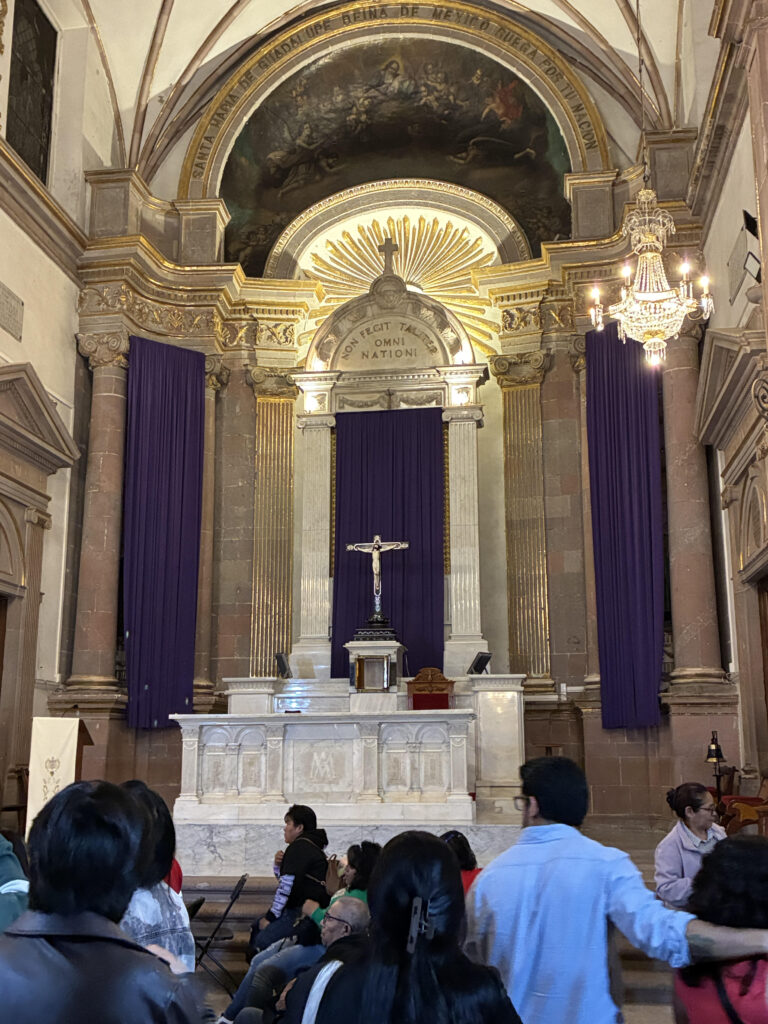
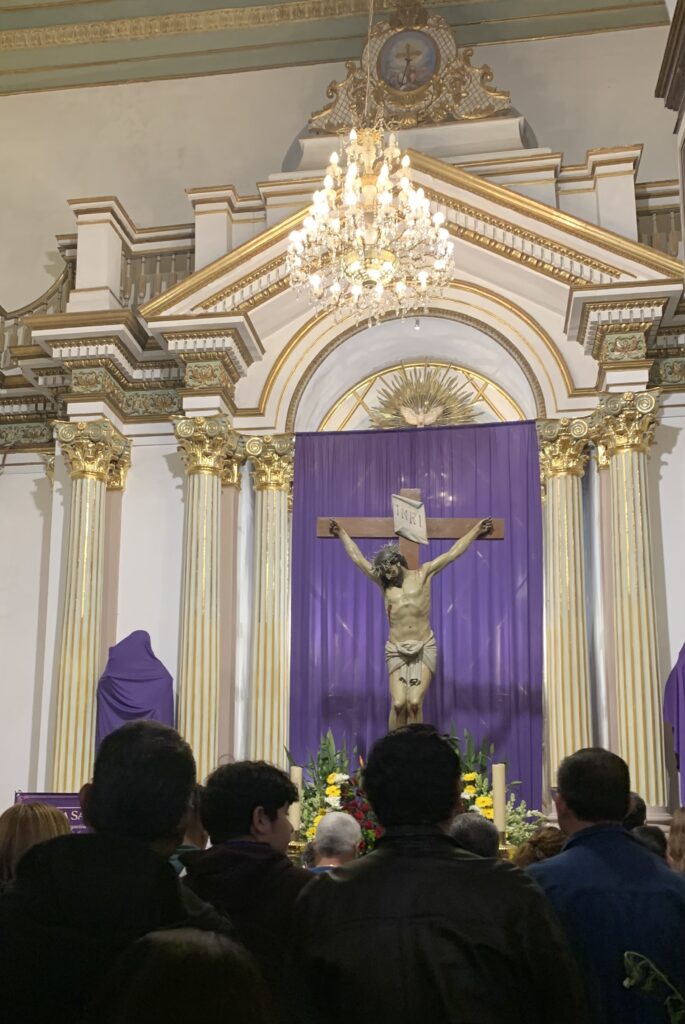
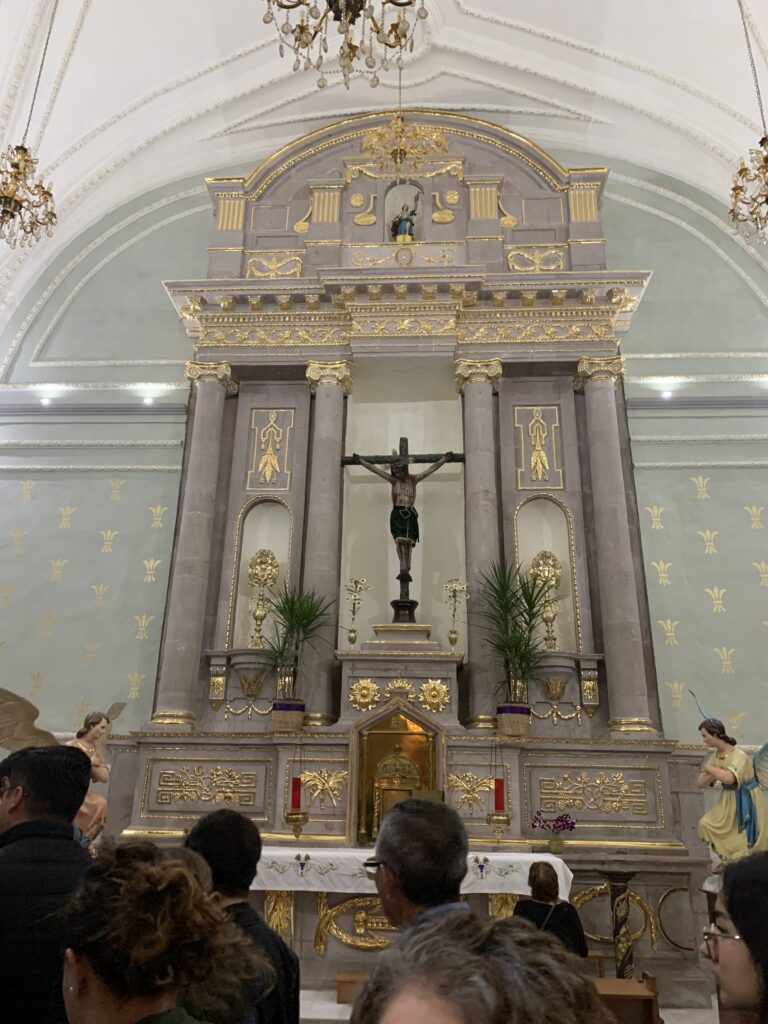
Before we entered the next church, Langston led the next reading about the high priest questioning Jesus. A priest greeted people and Simone commented that it felt a bit like Halloween, going from house to house, although in this case we were getting bread and chamomile flowers rather than candy. The churches in Querétaro are stunning and being welcomed and fed at each one was a beautiful experience.
Friday Morning – Viacrucis (The Way of the Cross)
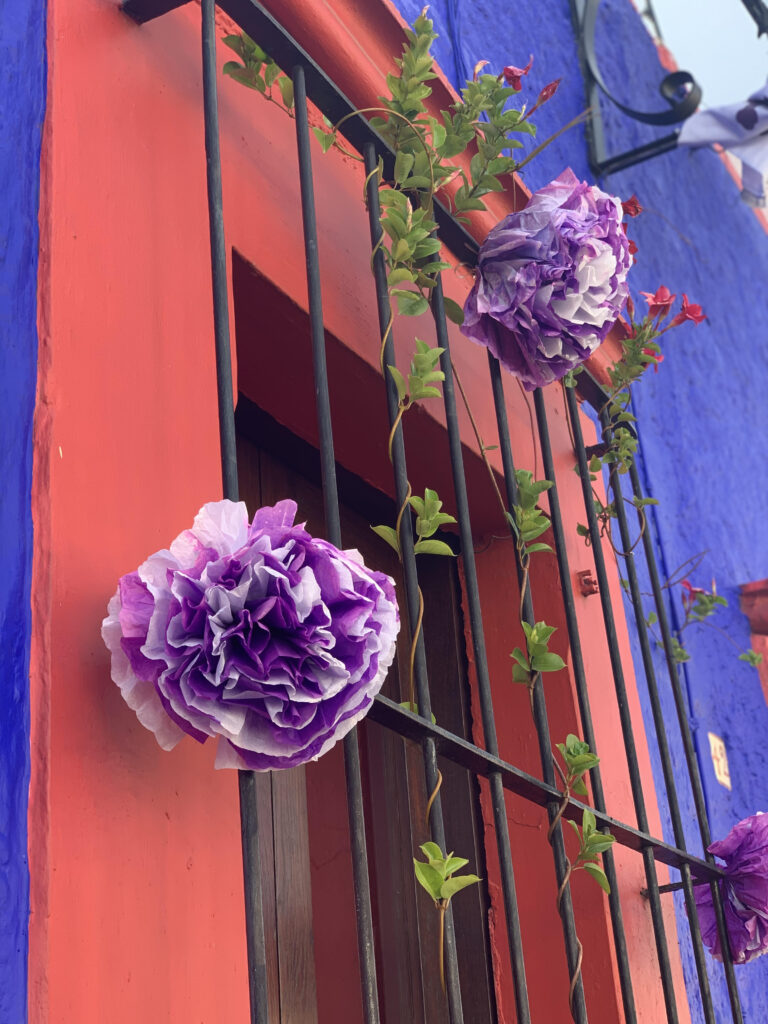
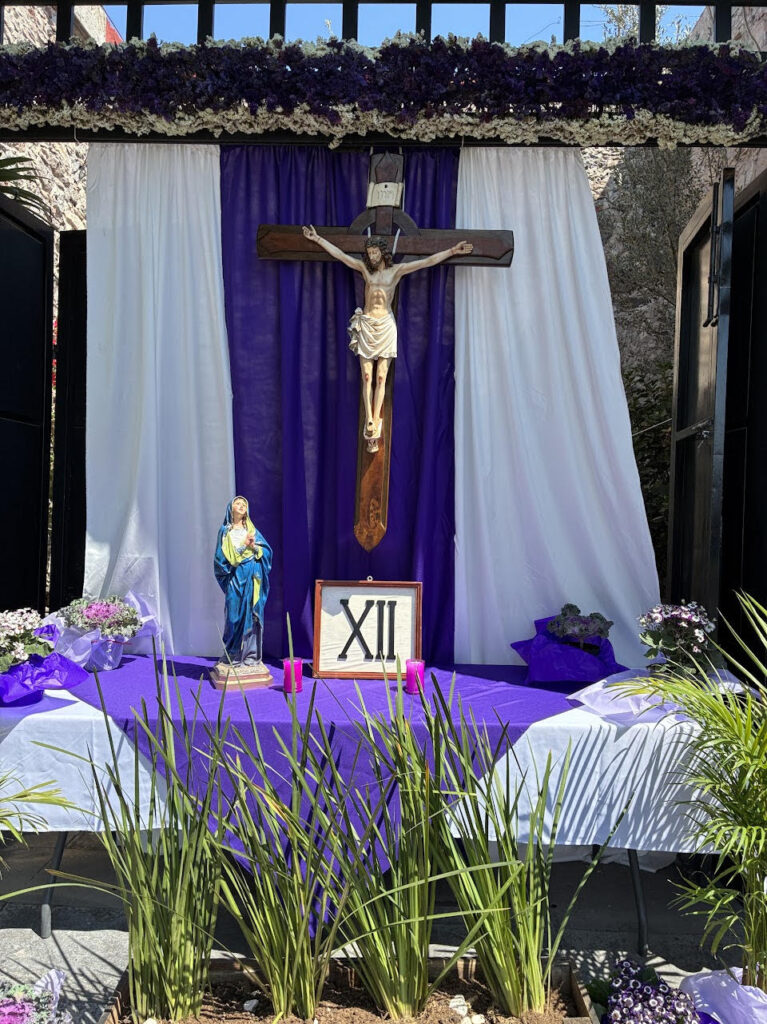
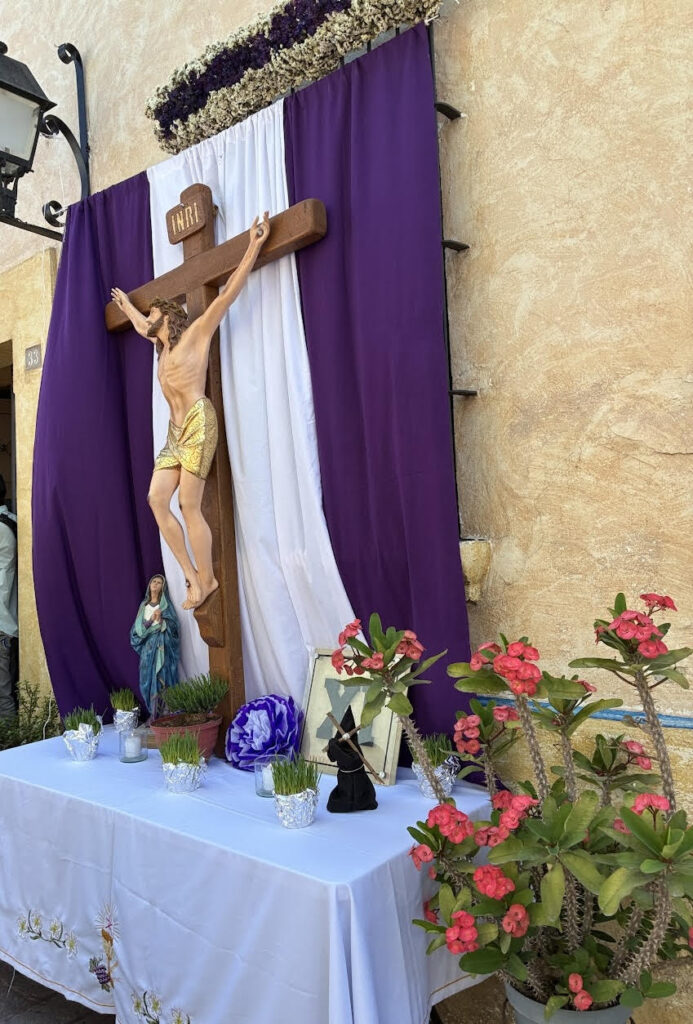
When Simone and I went to buy bread on Friday morning, we noticed people adorning their front doors and windows with purple flowers and ribbons. A man we passed was setting up an altar.
I have done the Stations of the Cross in the past, pausing at paintings or other works of art to read scripture and remember the path from Christ’s condemnation to his burial. So, when Tim asked if we wanted to join him in the Stations of the Cross, I was not prepared for what was to come.
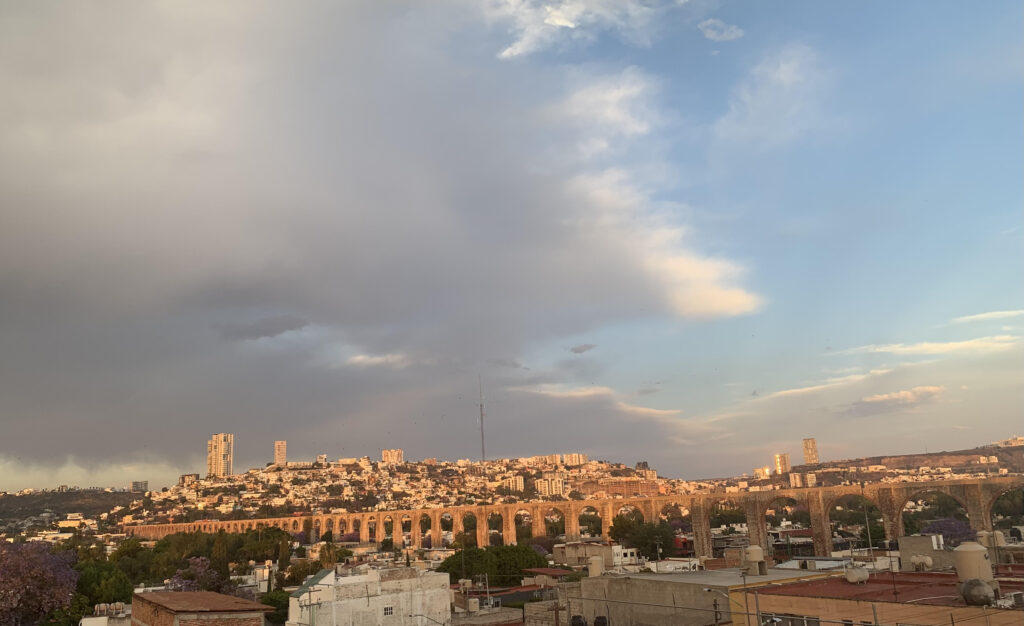
A crowd of people gathered in front of the Temple of San Francisco, a large church and former convent finished in the mid-1600. At the front of the imposing church is the Plaza de la Cruz. In early 1700, the city built an aqueduct, elevated on 74 arches, to bring fresh water to the city. The aqueduct ended in the Plaza de la Cruz and was distributed in fountains throughout the city.
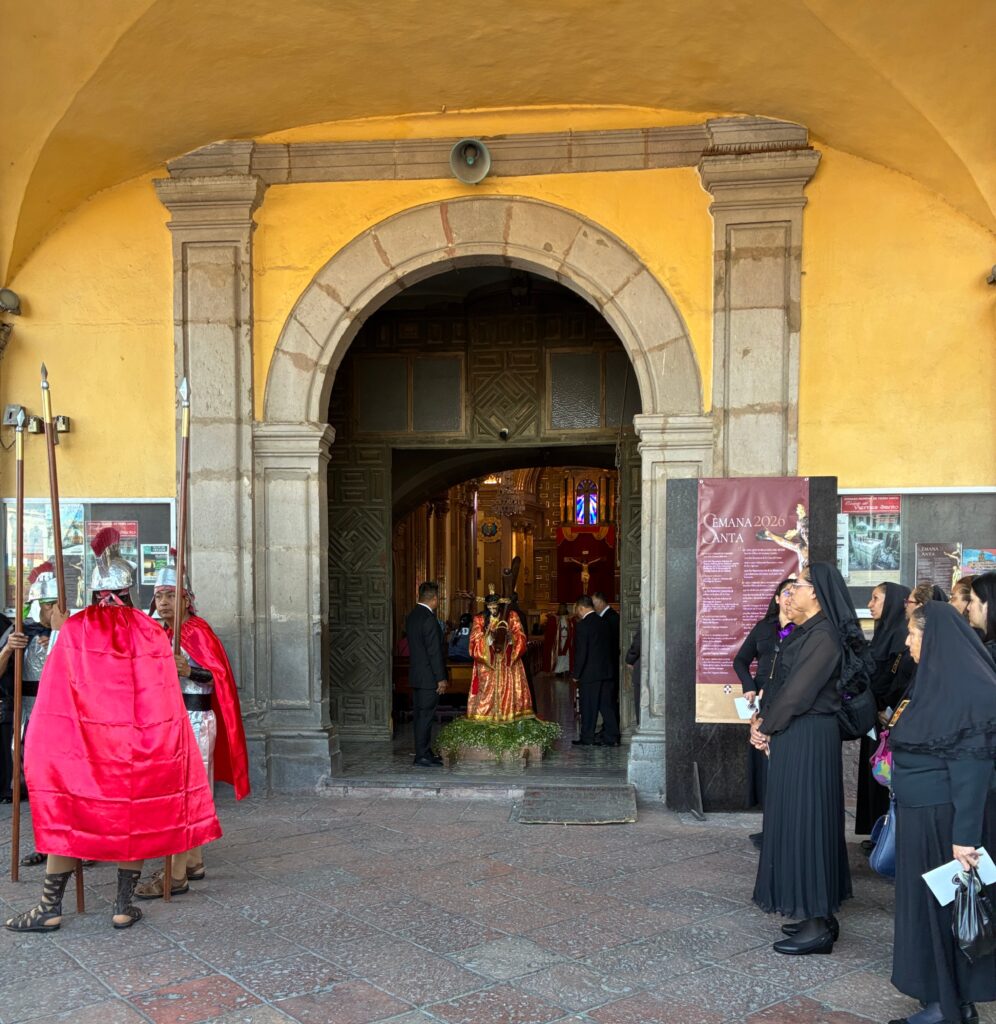
A man handed out a booklet with the readings for the day. Centurions in bright red capes appeared to one side of the church, and women in black lined up on the other side of the temple.
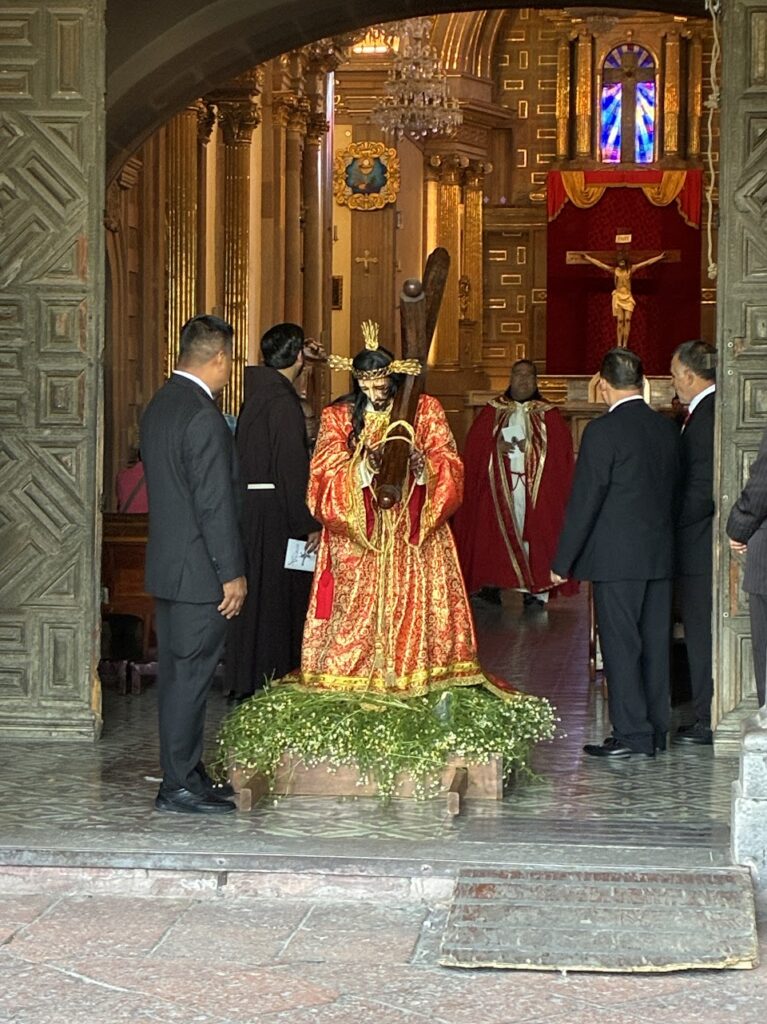
A figure of Jesus carrying a cross rested in the entrance of the church.
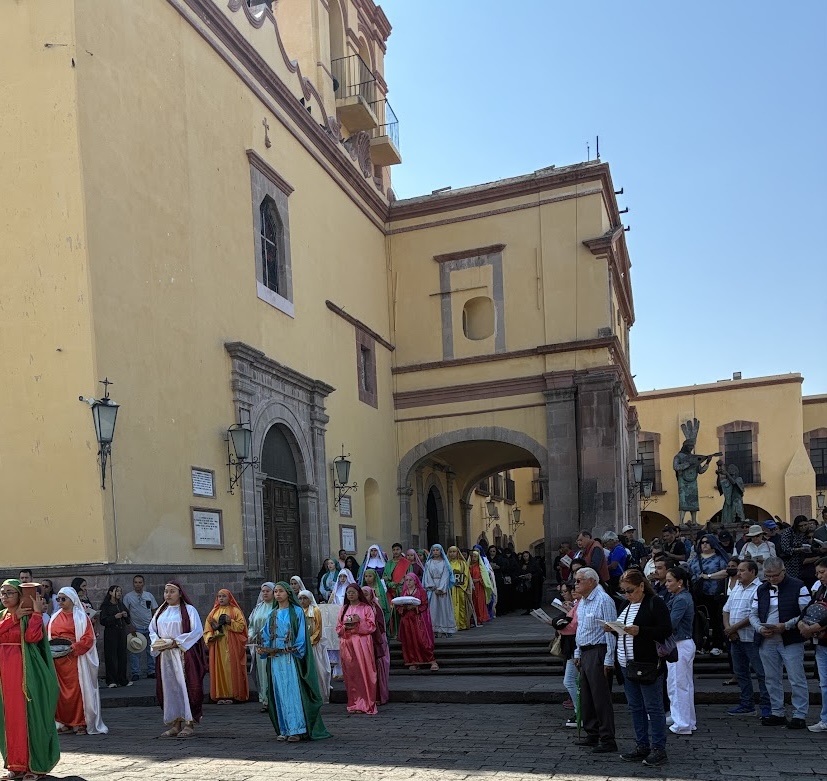
Music rang through the air to announce the beginning of the procession. A priest reminded us that today was not just about suffering, but about who God is and who we are as humans. Participating, he reminded us, was to experience the love of the Holy Spirit as we carry our own crosses. After praying, we said the Lord’s Prayer and Hail Mary.
The figure of Jesus carrying the cross was carried past us. Women followed in bright robes carrying symbols of the crucifixion, twelve gold coins, a crown of thorns, a rooster.
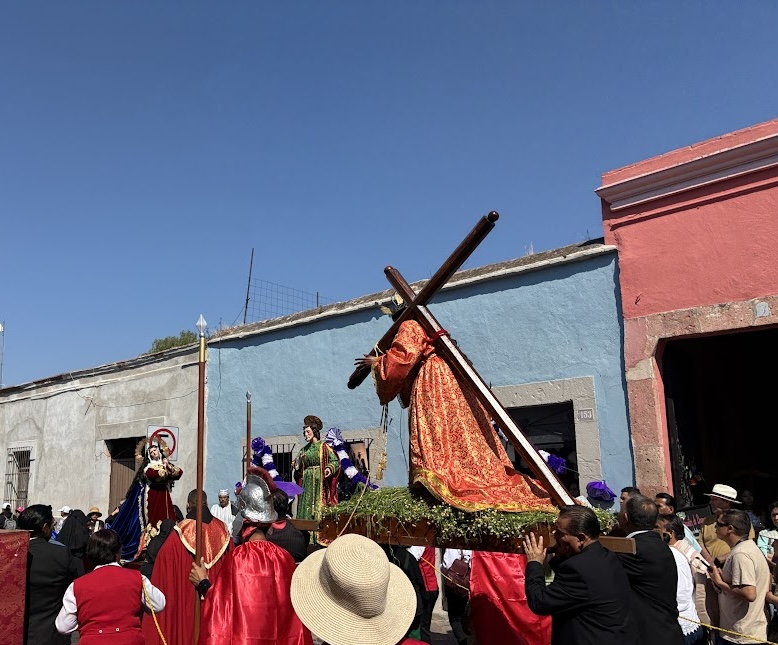
We sang as we walked. The first station, Jesus being condemned to death, was set up in front of someone’s house. We paused and a woman in black swinging a metal censer full of incense walked towards us; worried about her having a reaction, I grabbed Marie, and we did our best to avoid the incense as the priests shared the readings and reflection. We all prayed and sang together before proceeding to the next station.
At the fourth station, Jesus meets his mother. A litter carrying the figure of Mary arrived to follow the figure of Jesus. At the fifth station, Simon of Cyrene helps Jesus and another litter carrying Simon followed Mary.
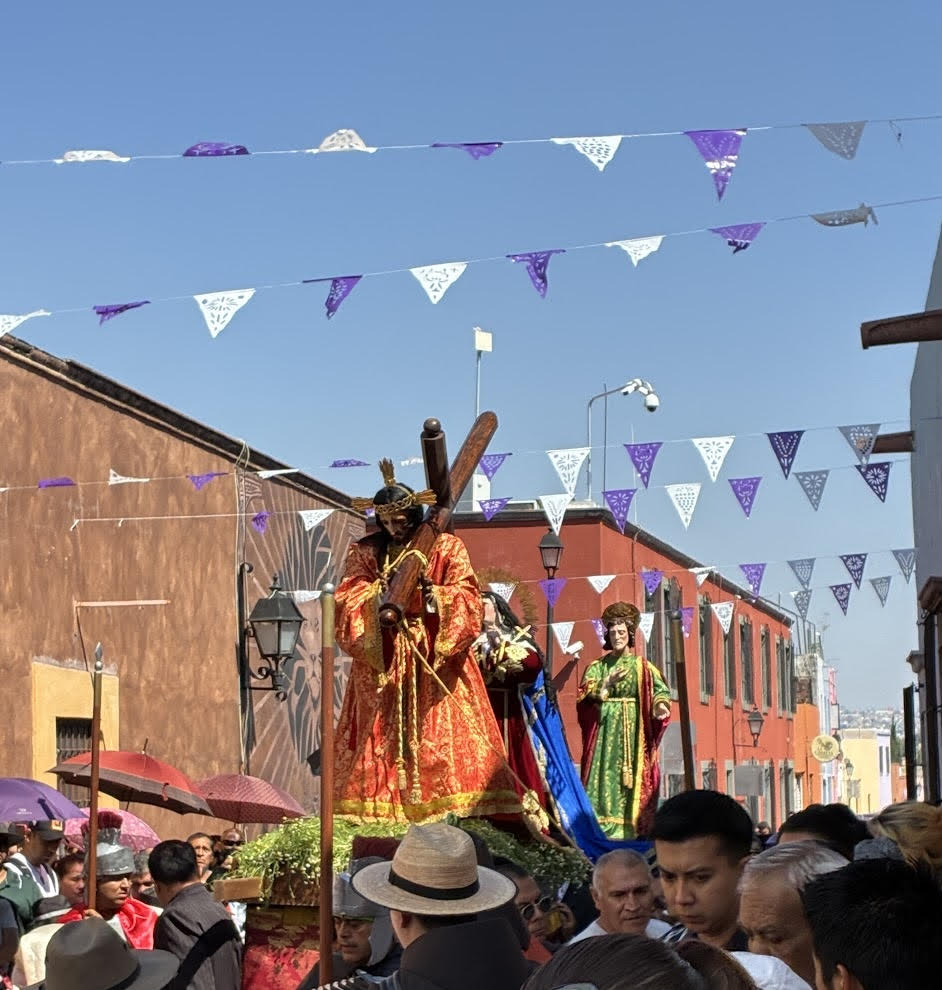
At the sixth station, the people in the home near the station brought out hundreds of plastic cups full of agua de jamaica (hibiscus tea) to make sure that everyone was hydrated. At each station we listened to scripture, sang, and prayed.
The viacrucis was literally and figuratively a moving service. We didn’t realize at the time how much more was to come.
Back at the church, the priest gave thanks that we could accompany Christ on his passion, death, and burial so that we could join him in his resurrection and learn to walk in the paths of love and peace that Christ has taught us.