Blog

Your blog category

A Birthday Between Ashes

The recent violence in Mexico was not close to us. But it was close enough for anxiety to peek around the corner and remind us of the fragility of life and peace. Friends texted to make sure that everyone was safe at home. The kids’ school and the university were online yesterday. The constant noise of central Puebla was, for one day, almost silent.
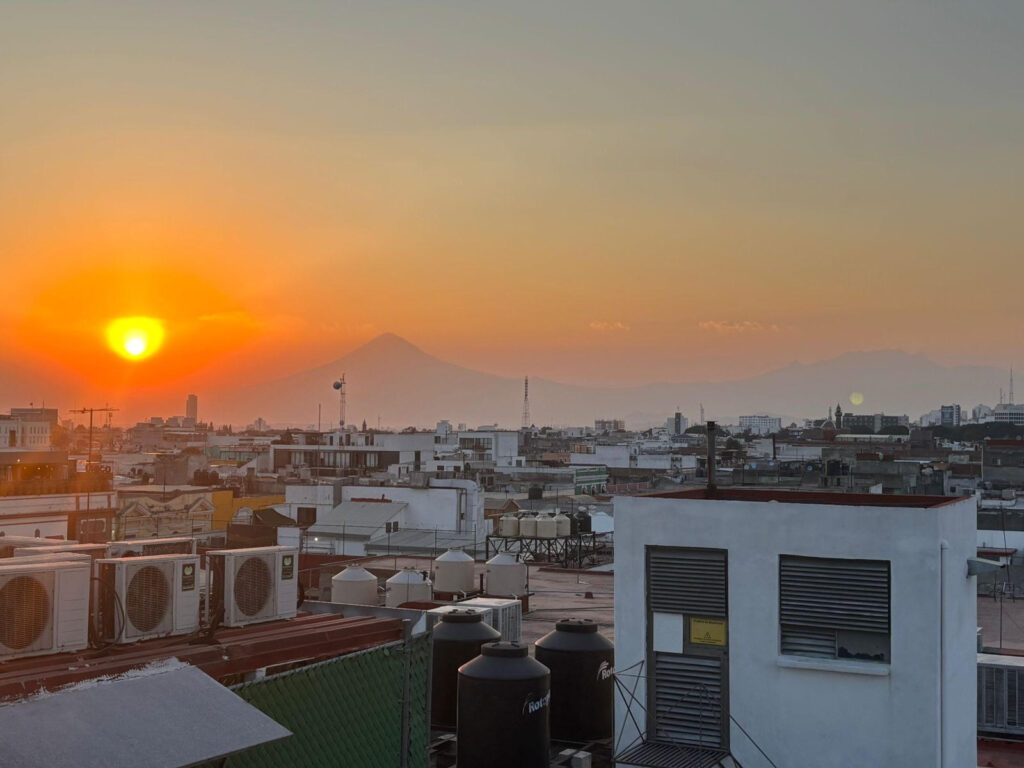
Where we live in Puebla is never quiet.

Yesterday felt far from my birthday last week when I stood in an ancient, ornate room, and my students sang:

Que linda esta la mañana
En que vengo a saludarte
Venimos todos con gusto
Y placer a felicitarte
El día en que tu naciste
Nacieron todas las flores . . .

How beautiful this morning is
Why have I come to greet you?
We all come with joy
And pleasure to congratulate you
On the day you were born
All the flowers were born. . .
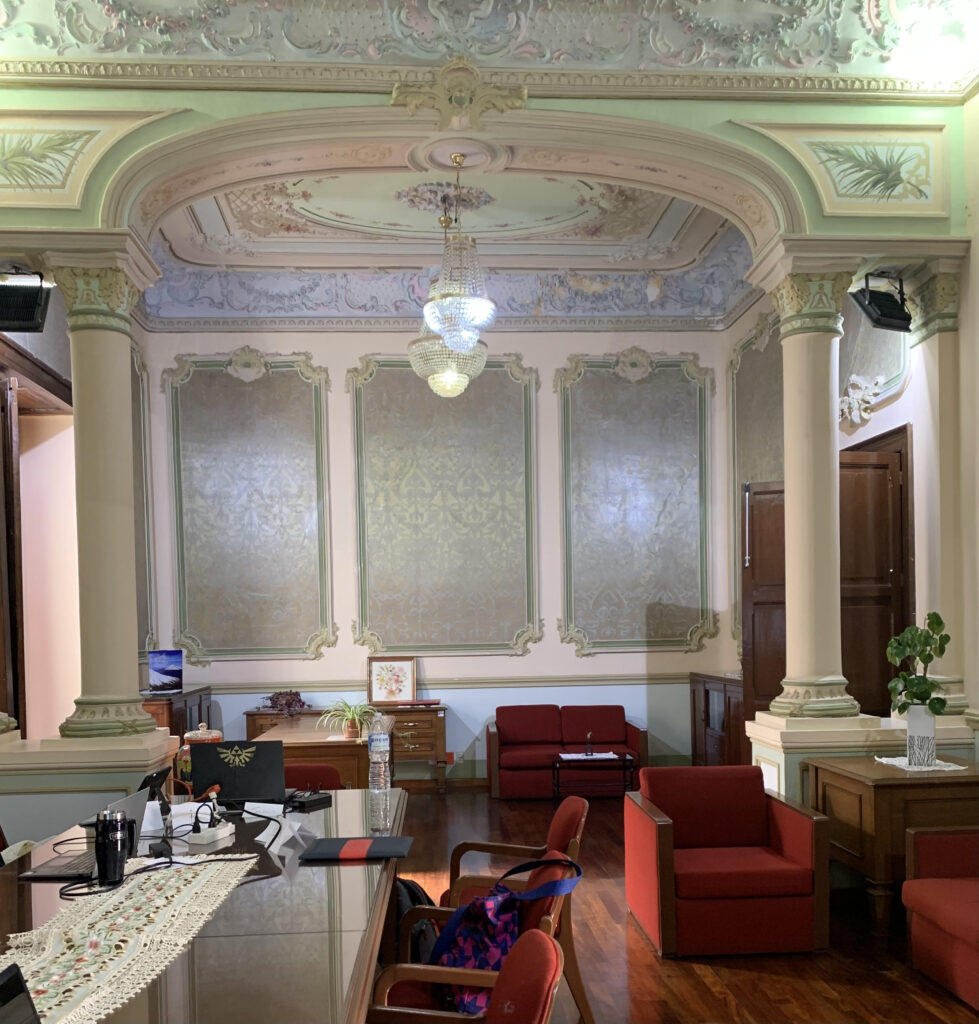
The room where I teach one of my classes.
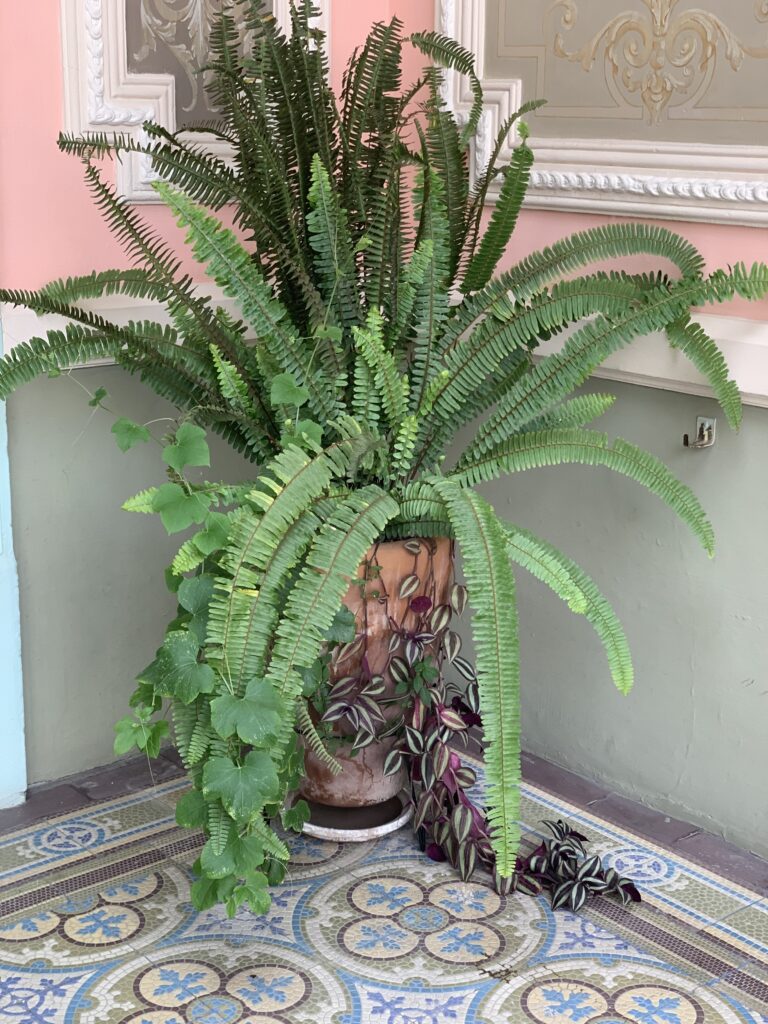
A plant outside the room where I teach. The tile!

The treats I brought sat on a heavy, wooden desk, and I felt so lucky to be with these amazing people, graduate students studying fields from political science, to architecture, to chemistry, to education. When I told them I was turning fifty, one student’s mouth literally dropped open. She is twenty-six; she doesn’t even believe she will ever be forty. And here I am.

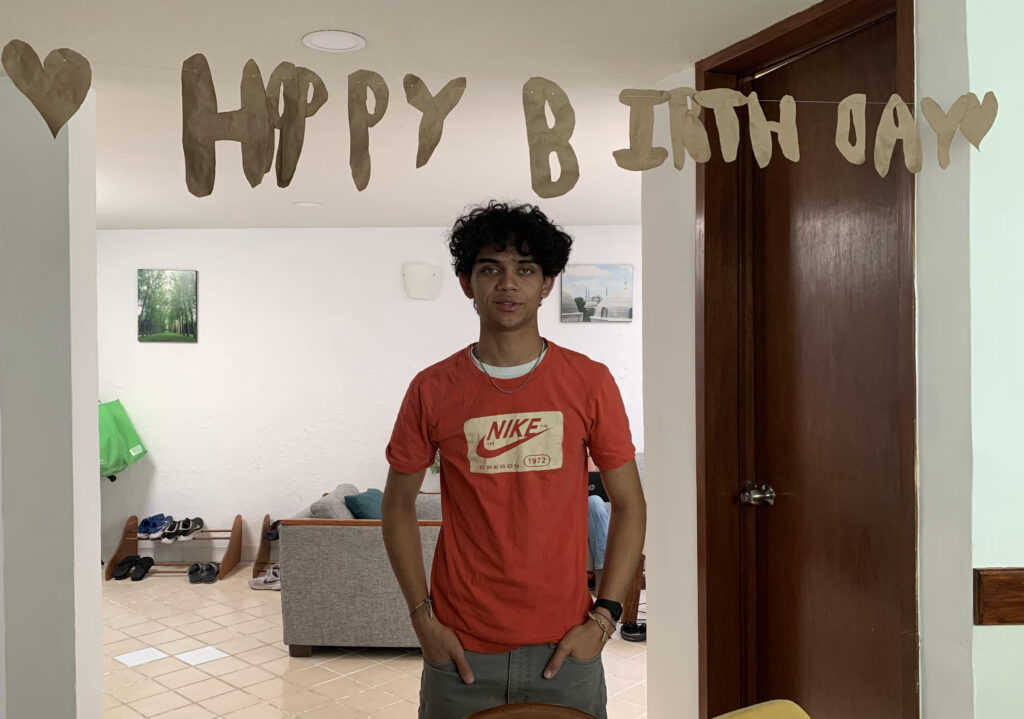
What a lovely birthday. Simone and Marie made cards. Simone drew animals and bought candy to make a sign she presented to me in the morning. Langston cut out every single letter to make a Happy Birthday banner. We went out to dinner with Veronica and her son.
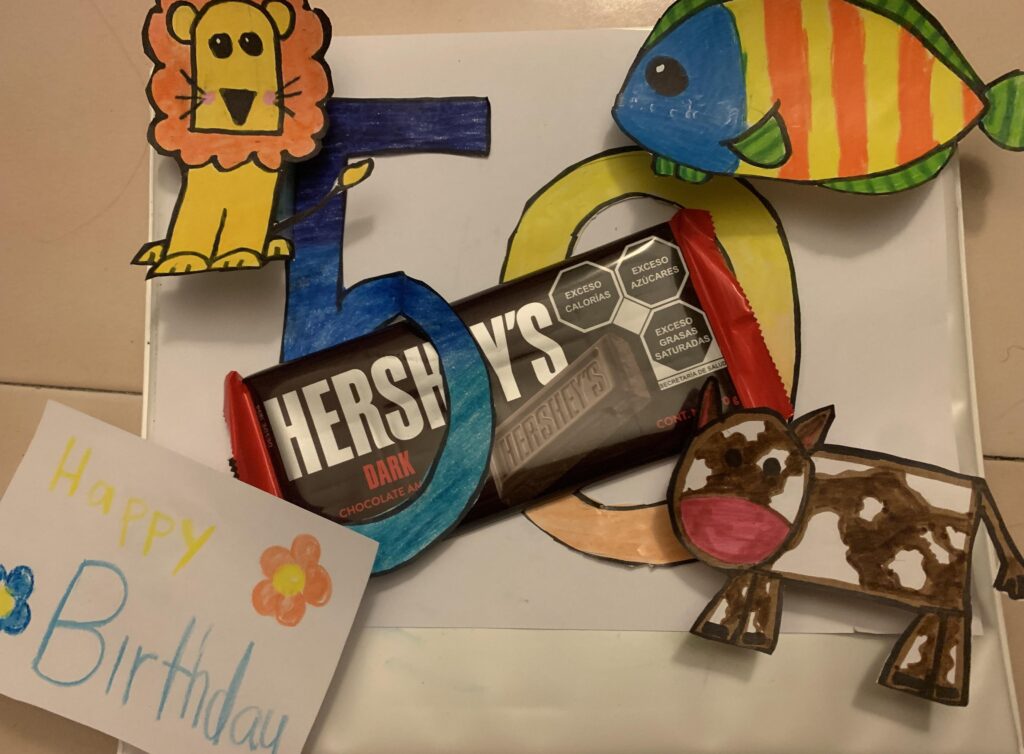
Simone drew all these animals.
Langston stayed up late to finish the sign.

Meanwhile, many people walked around with ashes on their foreheads remembering the fragility of life, that we are made of dust and to dust we will return.

Having my fiftieth birthday on Ash Wednesday seems like metaphorical overkill. My birthday has only been on Ash Wednesday one other day in my life, the day I turned 39. I remember getting my six-year-old ready for elementary school, my four-year-old ready for preschool, and dropping my one-year-old off at day care before heading to work. On my way to work, a church offered “ashes to go,” so I rolled through and received drive-through ashes and a prayer. If I squint a little, my forties have been bordered by Ash Wednesdays. I’m delighted to be done with my forties and on to a new decade.
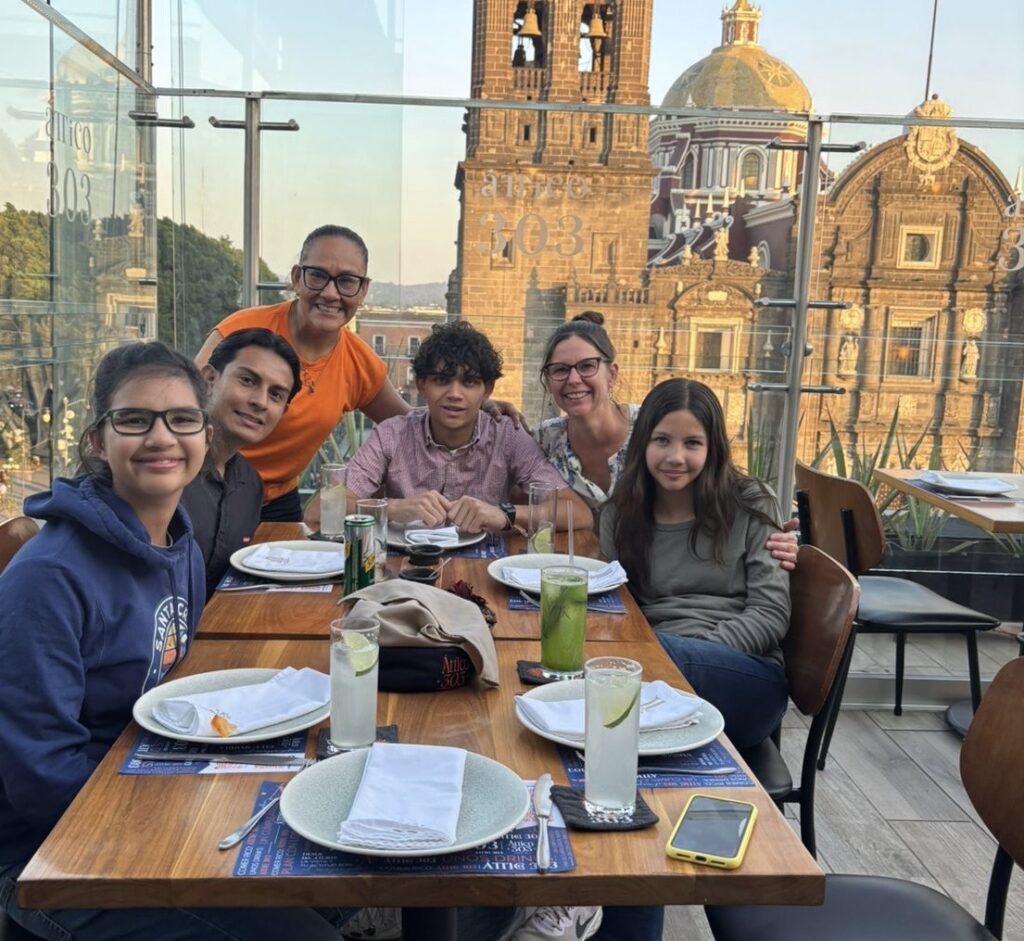
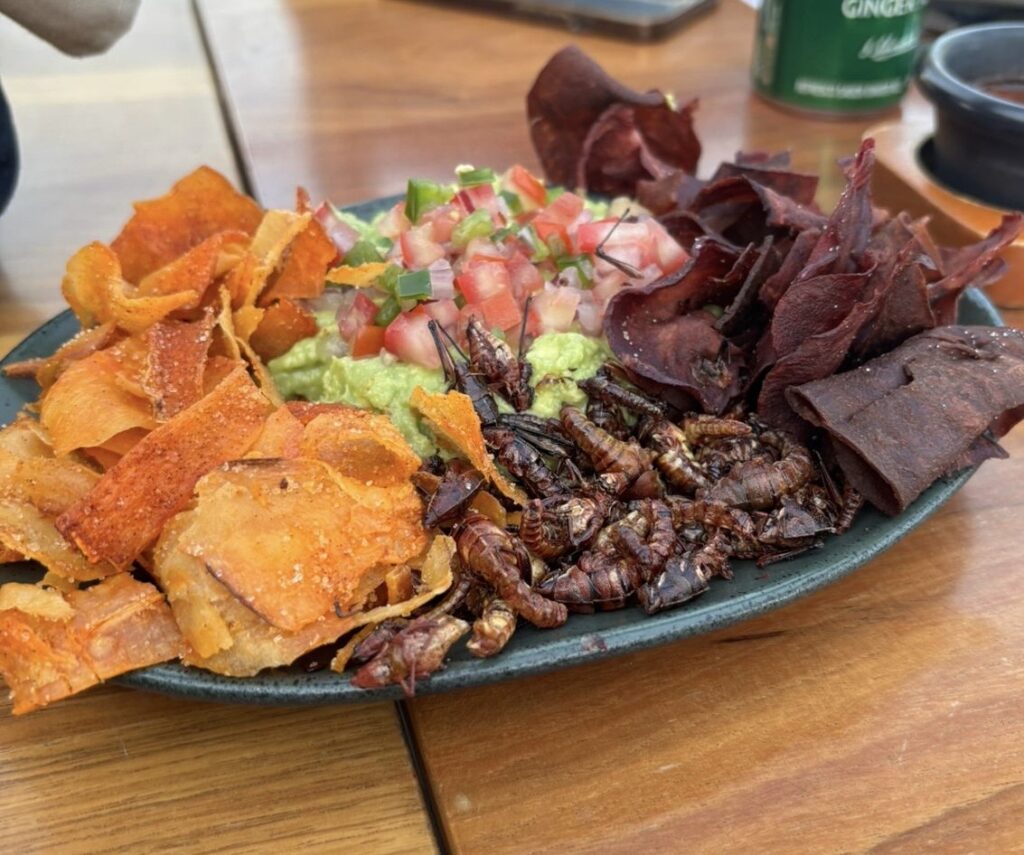
Mark treated us all to a birthday dinner.
Beautiful and delicious.

“My fifties were great,” my friend Carol told me. She is one day and a few decades older than I am. My mom says the same thing. Every age has its challenges. I cannot say that parenting teens and a preteen is continual joy. And aging intimidates me.

The streets of our area of Puebla are full of people; a grandpa holding the hand of a toddler, a mother and her adult daughter arm in arm, a gaggle of teenagers laughing. And when I see a bent old woman taking micro-steps, carrying groceries in one arm and holding a cane in the other, I think, what courage. All that my parents and friends at church have been through as they age seems to take such bravery and grace.

“Make him think,” says Wormwood, the experienced demon in C.S. Lewis’ Screwtape Letters, “that he owns his time,” as he advises his mentee. (Disclaimer: I don’t have the book with me, and I’m fifty, so the quote could be from another book, or a poem, or a conversation. Who knows!) “Make him think that his time, his body, his home, are his, that he has earned them and owns them.”

Ash Wednesday, turning fifty, unrest in a country, these things give me a glimpse into the fact that nothing around us is ours, that every moment, every person, every leaf in the tree is a temporary gift, not mine at all.

When my kids work to make my birthday special, my colleagues take me out to a birthday lunch, and I get a video made by my best friend with many of you wishing me a happy birthday, sending love, these moments between the ashes are shining jewels. I am delighted. And grateful.
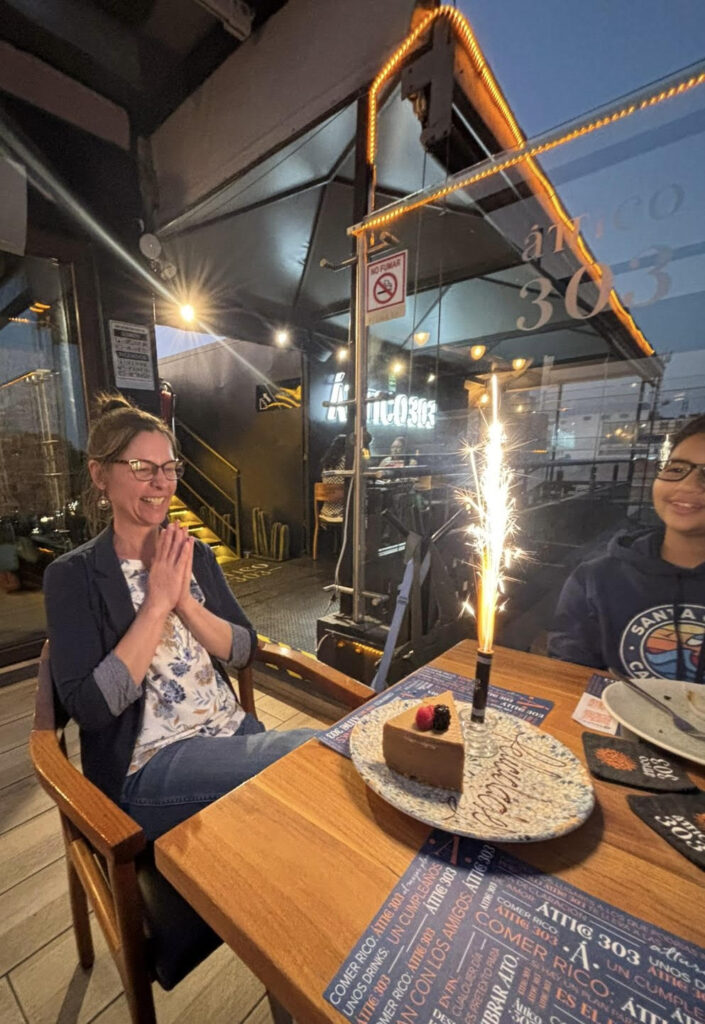
Cake with kids and friends is delightful.
Surviving Sundays

Our Sundays have gotten increasingly exciting. We miss our St. James United Methodist family and want to visit the Methodist Church in Puebla. But during our first month here, we met many new people, adjusted to a lot of new things, and we weren’t quite ready for a congregation.

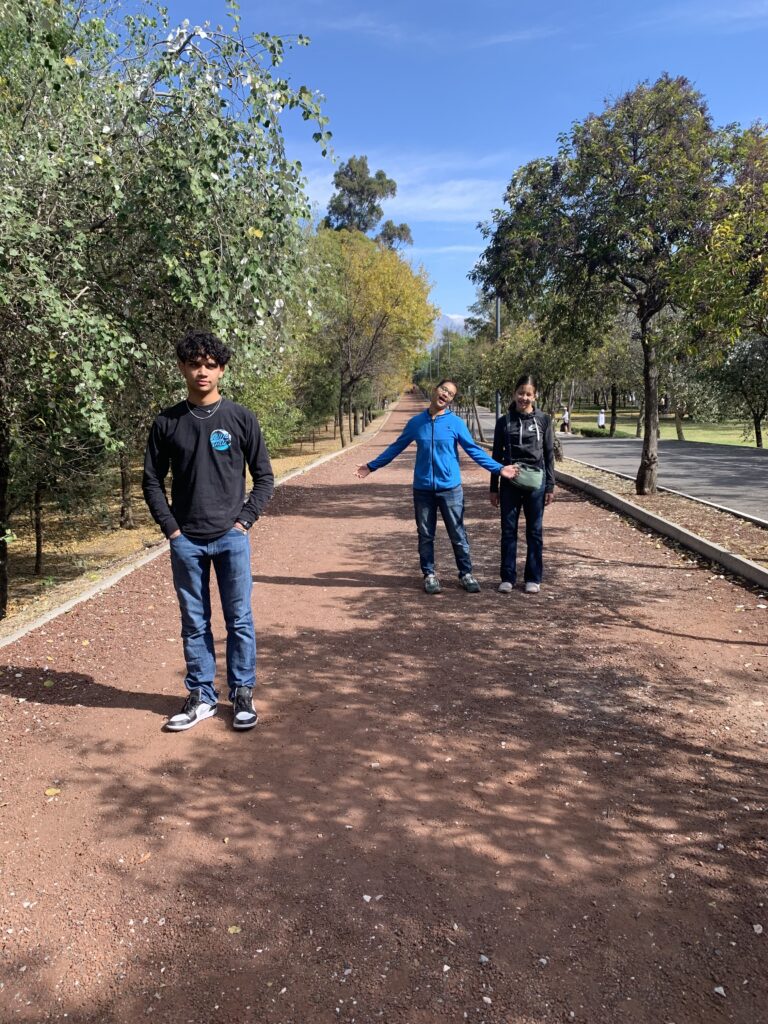
Instead, we ventured to Parque Ecologico, only about a mile and a half away from our apartment. Many of the streets on Sunday are closed so that families can walk together, including the street circling the park which, when we arrived, was filled with runners and cyclists. We entered the park gate and found a walking path next to a cycling path.

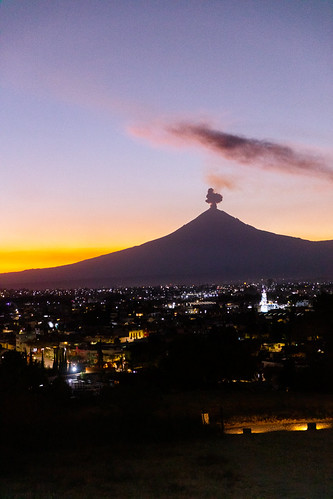
A tiny bit of the volcano is visible in the distance.

A family on roller skates skimmed past us. On the grass, what looked like a church group cheered on children in the middle of a tug-of-war game. The tree-lined path took us down a hill, showing us the snow-capped Matlalcueitl (I think it was Matlalcueitl), one of the three main volcanoes surrounding Puebla.

My sister Leslie took this photo of another volcano, Popocatépetl.

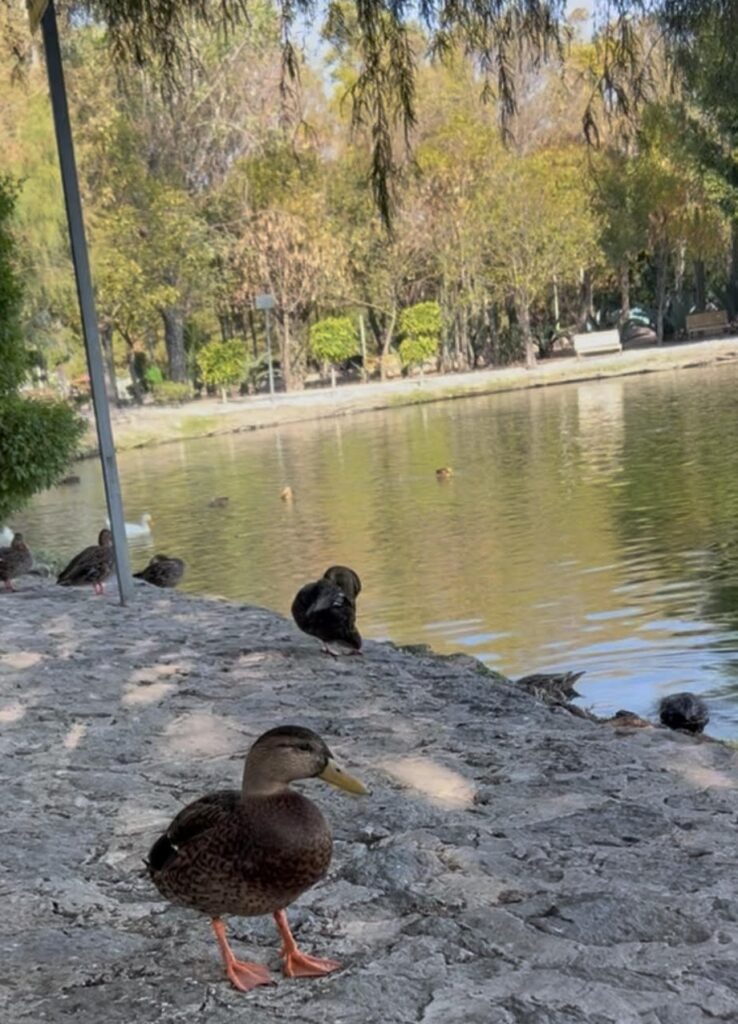
We wandered to a little lake. “Look at the Mexican ducks,” Langston said.

“Langston,” I responded, “just because we are in Mexico, you don’t need to modify all your nouns with ‘Mexican.’”

He pulled out his phone to show me that the ducks were, indeed, the species called Mexican duck, which happen to be appropriately located here in Mexico.

Langston has verified that this is an actual Mexican duck.

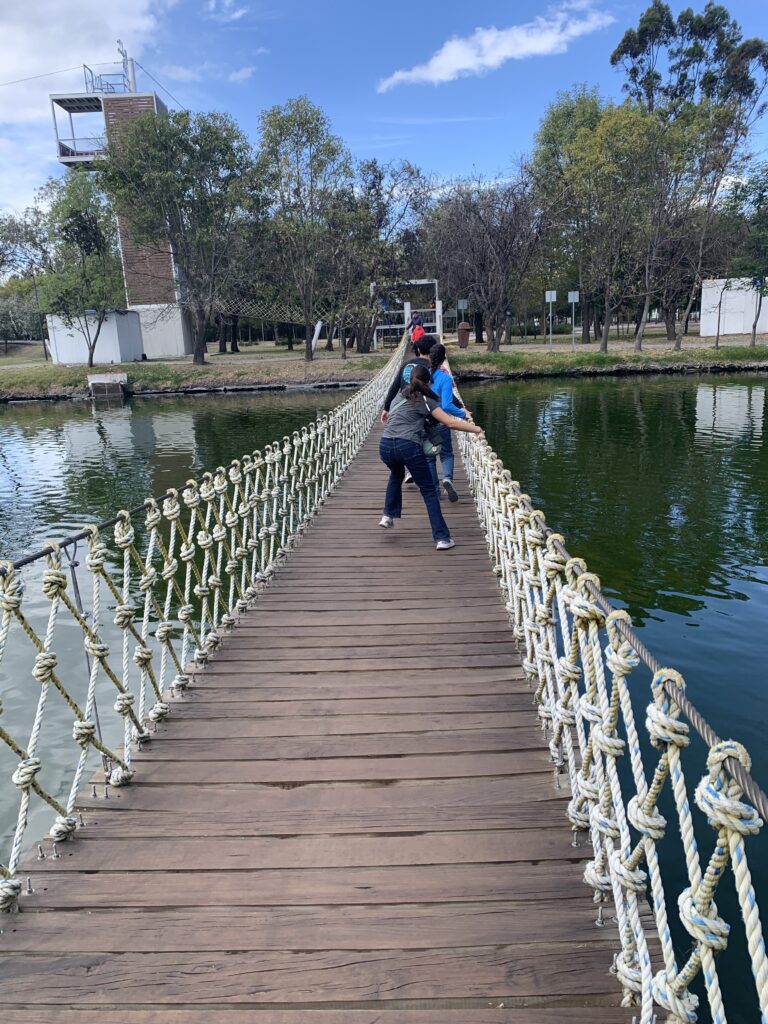
We crossed a swinging rope bridge.

We have not yet had the courage to try the zipline on the left.

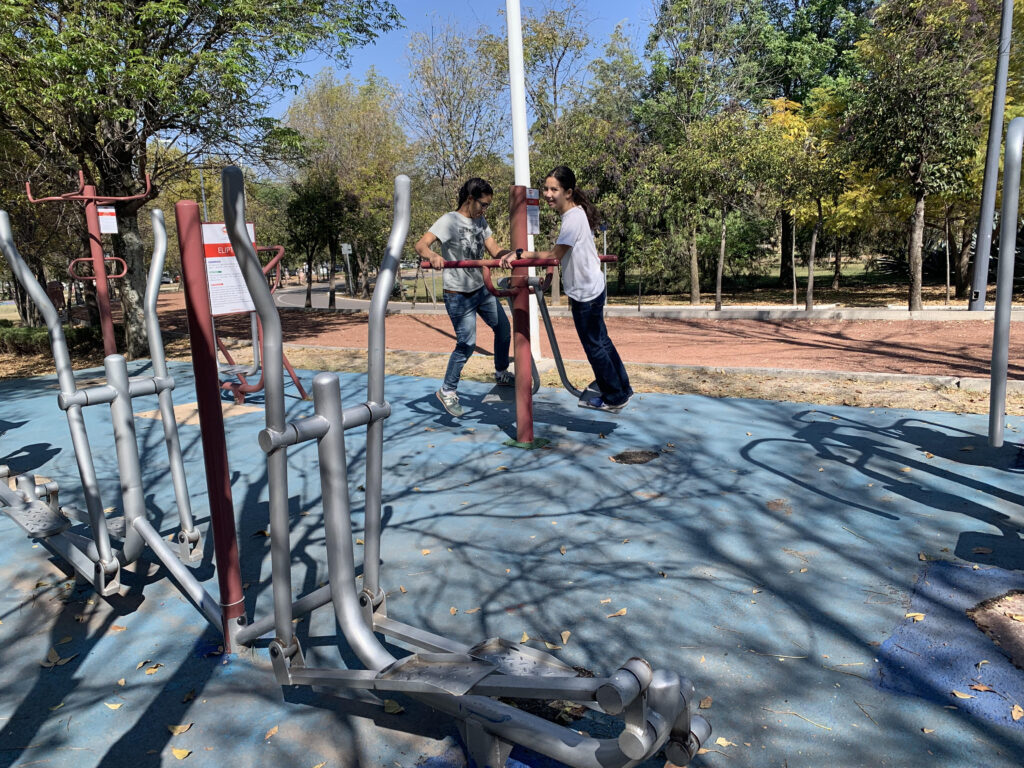
Scattered throughout the park were playgrounds and exercise areas. These exercise areas for grown-ups are common throughout our part of Puebla and are fun to use.

Getting excellent exercise in the park.

Visiting Parque Ecologico was just the right kind of worship for us in our first month here.

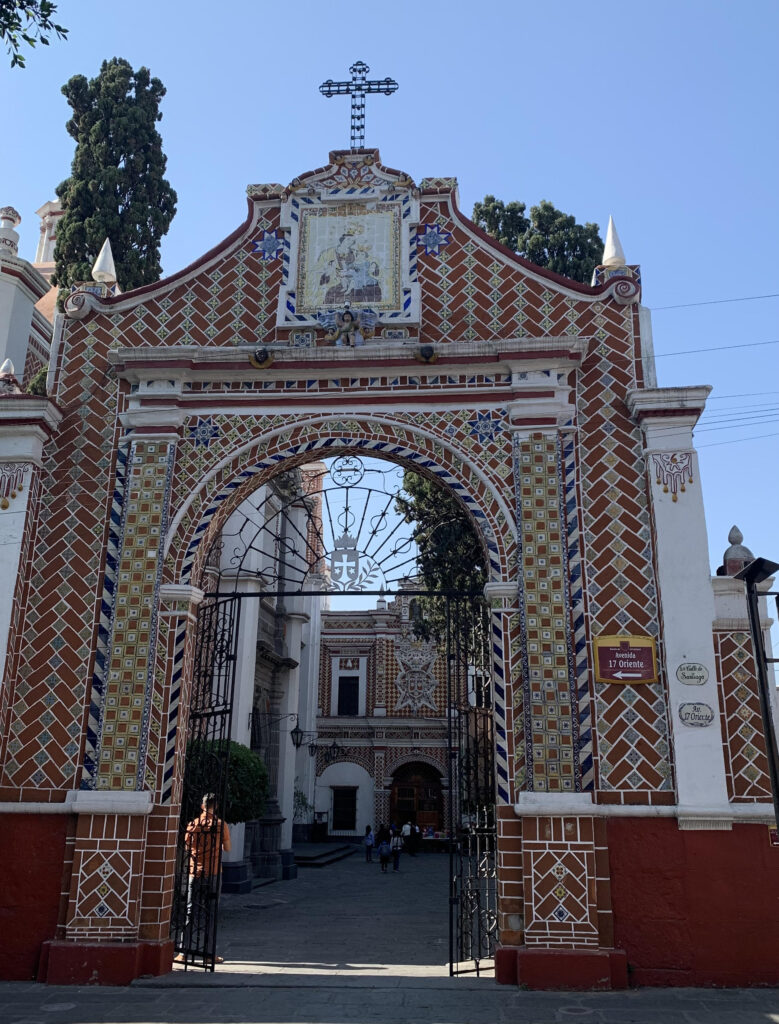
The historic center of Puebla has so many churches, beautiful churches. Every block seems to have another impressive church on the corner. The Templo Conventual de Nuestra Senora del Carmen, built in the 17th century, towers on one side of our plaza. When my dad was visiting, he suggested that we try a service there.

My puny photographic skills do not do justice to this building.

The church does not have a website, and no hours were posted outside the gates. When my dad and Simone got fresh bread from the pandaria near our house, the gates were open, and they found a little sign with the service times.

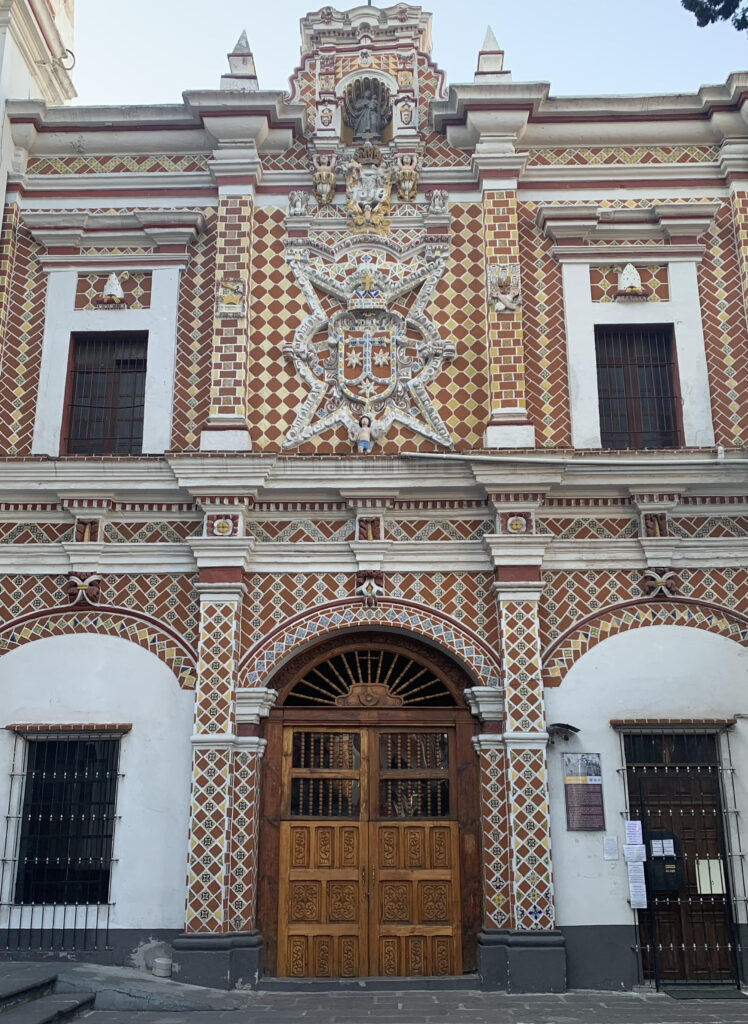
I could not get a good photo of the main doors. These are doors to a smaller chapel off the side of the main chapel.

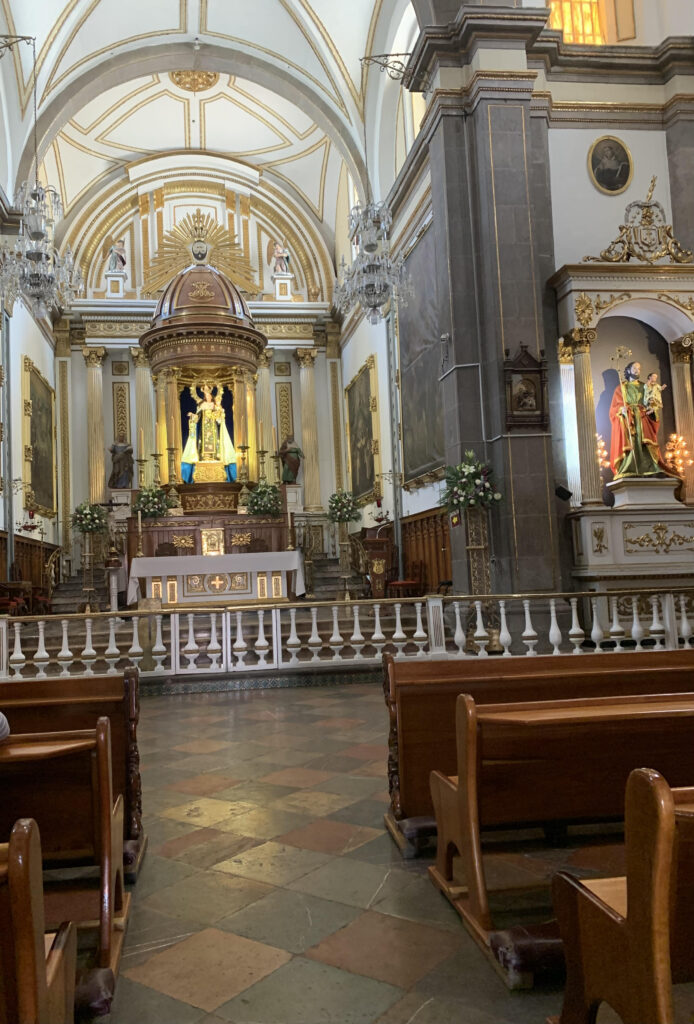
The moment we walked through the huge wooden doors, we were immediately quieted by the majesty of the sanctuary. Gold edging highlight the elaborate cupolas in the ceiling. Enormous bouquets of white flowers and trailing greenery line the sides of the sanctuary beneath enormous paintings. In one painting, angels reached towards Jesus’ outstretched hand.

The pews were mostly full, but we found space near the back of the sanctuary.

Although we could not see the musician, a guitar played meditative cords from the front of the sanctuary. The church bells rang, and the rich aroma of incense wafted towards us.

I grabbed my jacket and smacked it over Marie’s face. She has had an anaphylactic reaction to incense, and, like most mothers, I take my role of keeping her alive very seriously. She whispered beneath the jacket, but this was not my time to budge. The incense lingered, and Marie kept trying to communicate something. I finally realized that I had given her a bloody nose. By now, the sanctuary was packed, and blood was streaming out of her nose. I put the jacket back over her face and tried to navigate between the people lining the edges of the sanctuary.

An abuela handed me a package of tissues. Gracias, muchas gracias.

Finally, her bloody nose abated, and we made it back to the pew for the prayers, the short powerful homily about the beauty of the word of the Lord, and the lifting up of the sacrament. At the front, Mary, holding Jesus in one arm, stretches out her other hand to us, her blue and white robes flowing around her. She is in a circular gold colonnade with both a crown and golden halo.

And all the mothers in the congregation, including myself, know she has suffered the worst a human can suffer and ask her, please, help me care for my children.

“I liked that service,” Simone said after we left the church and entered the plaza. “Even though I couldn’t understand all the Spanish, I knew what the priest was saying.” The beauty of a shared liturgy throughout time and space.  

“I didn’t,” Langston said, “I go to church to get spiritually fed. I can’t get spiritually fed if I don’t understand the sermon.”

“Well,” said my dad, “when you are my age, even when you can’t hear very well and don’t understand everything, there is something meaningful about being together in a beautiful place to worship. But I know we are in very different stages of life.”

I was going to write about our experiences at Iglesia La Vid Puebla with the exuberant welcome, the drums that somehow felt as if they beat right in my heart, and the giftedness of the preacher, but this post is getting very long. We, more specifically I, hope to visit the Methodist church this Sunday.

My dad is always up for an adventure. He made dinners and helped with laundry between exploring Puebla, and it was a joy to have him here.

Chess and the World Cup

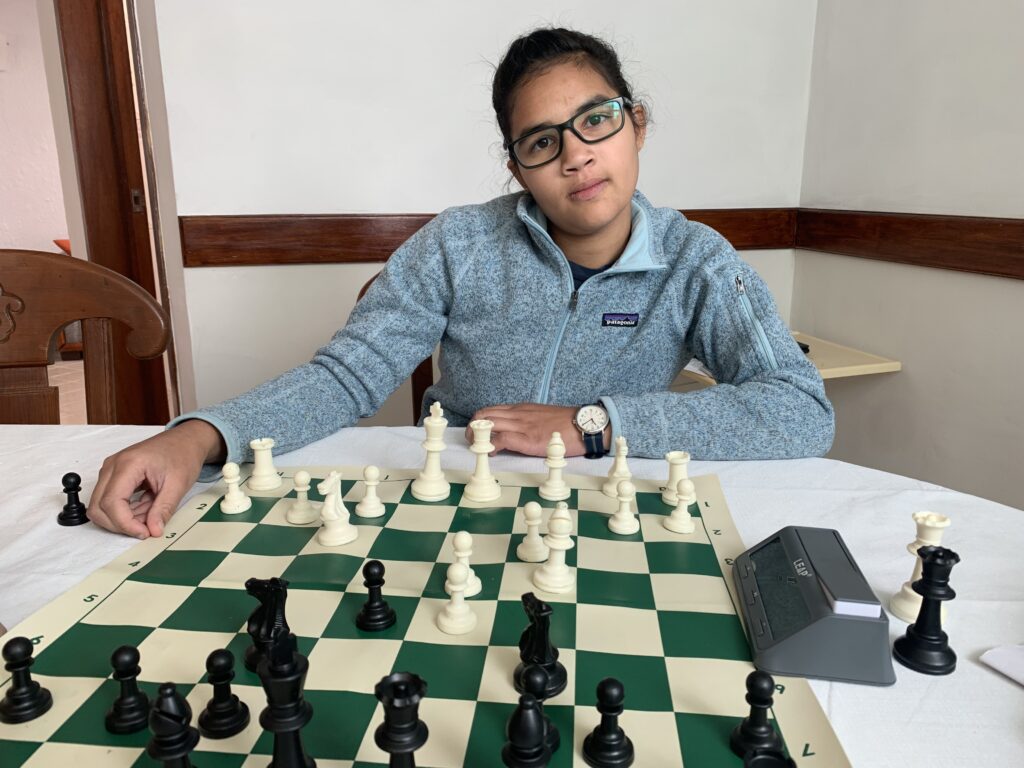
“Mom,” Simone said about a week after she started school, “I had a great day.”

We were at Mega, a supermarket next to her school, picking up some folders, paper towels, and milk.

“I met a boy,” she continued, her face shining, “who plays chess!”

She had, of course, come prepared for this exact situation. She and her new friend had been playing chess on their phones. The next day, Simone brought her chess board. While many of the kids at her new school had played chess online, not many had chess boards. She had to show them how to set up the board even though they knew how all the chess pieces move.

She has continued playing chess with friends at school. Apparently, a significant group is playing with enthusiasm.

“It’s just,” Simone says to me, “I have no idea what your strategy is. But. Whatever.”

“I went by the classroom where Simone was playing with her friends,” Marie told me last week, “and I wanted to tell all of them that chess is NOT the World Cup.”

Going to school in a new place in a different language is not easy. Some big feelings have been had. But all of them are saying “my friends” now to refer to some of the other kids at school. A few friends is all that I hope and pray for them.

We Thank You

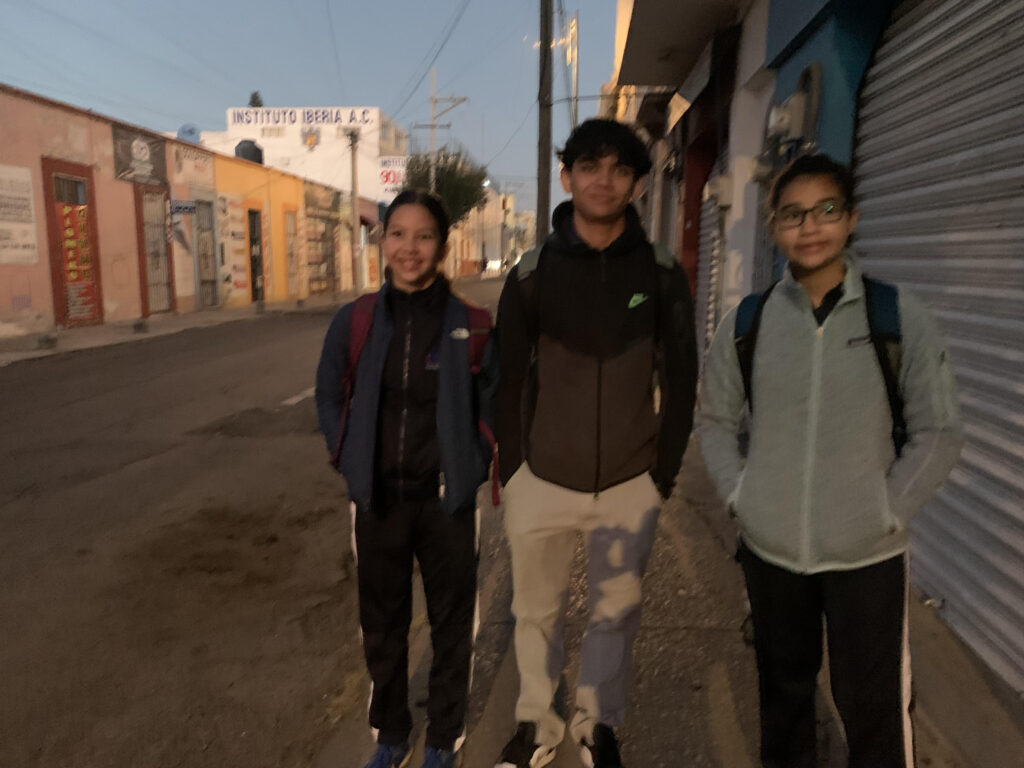
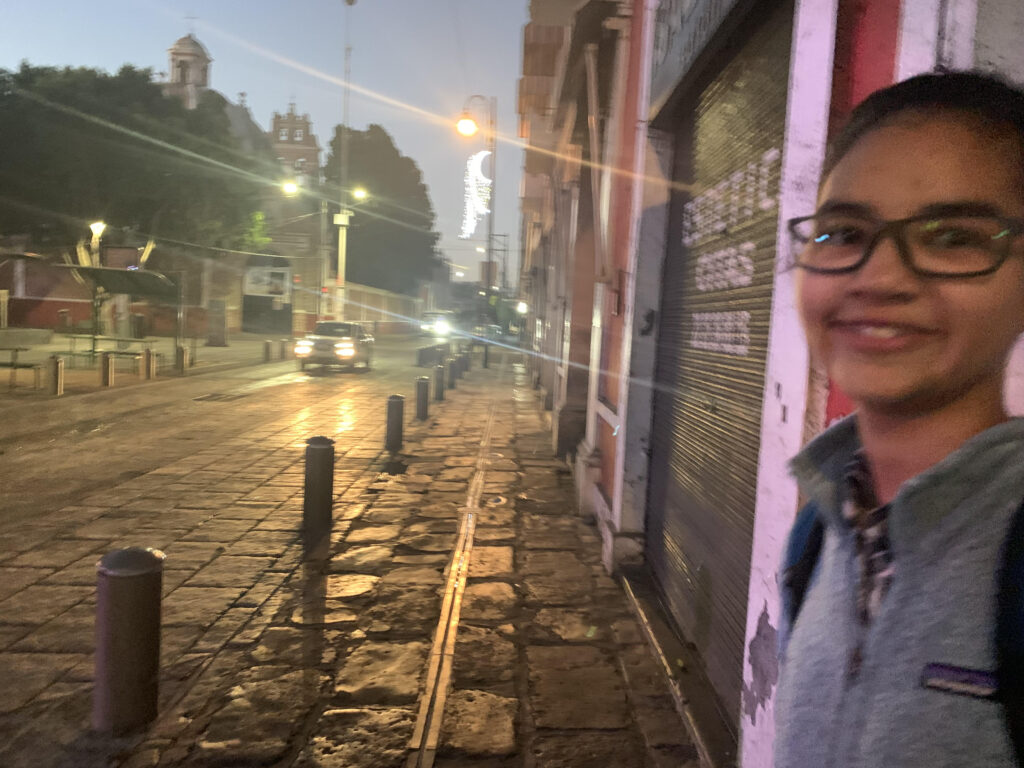
Each morning, I drop the kids off at school in the cool dimness of 6:55 a.m. and walk the 8 minutes back to our apartment.

Some days, Langston is ready in time to walk together.
On our way to school!

Home alone a little after 7:00 a.m. (unless my colleague picks me up at 7:30) I have a few minutes of quiet. I have often been spending the moments of quiet in the prayers of thanksgiving from the Book of Common Prayer.

“We thank you for the splendor of the whole creation, for the beauty of this world, [and] for the wonder of life. . . “

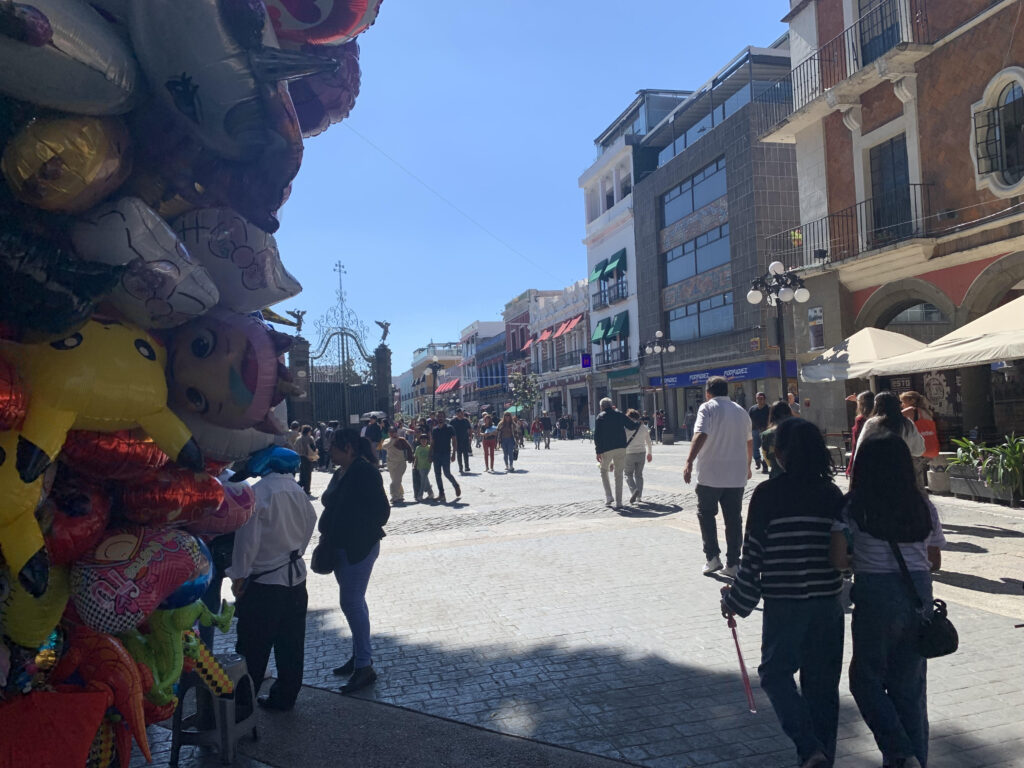
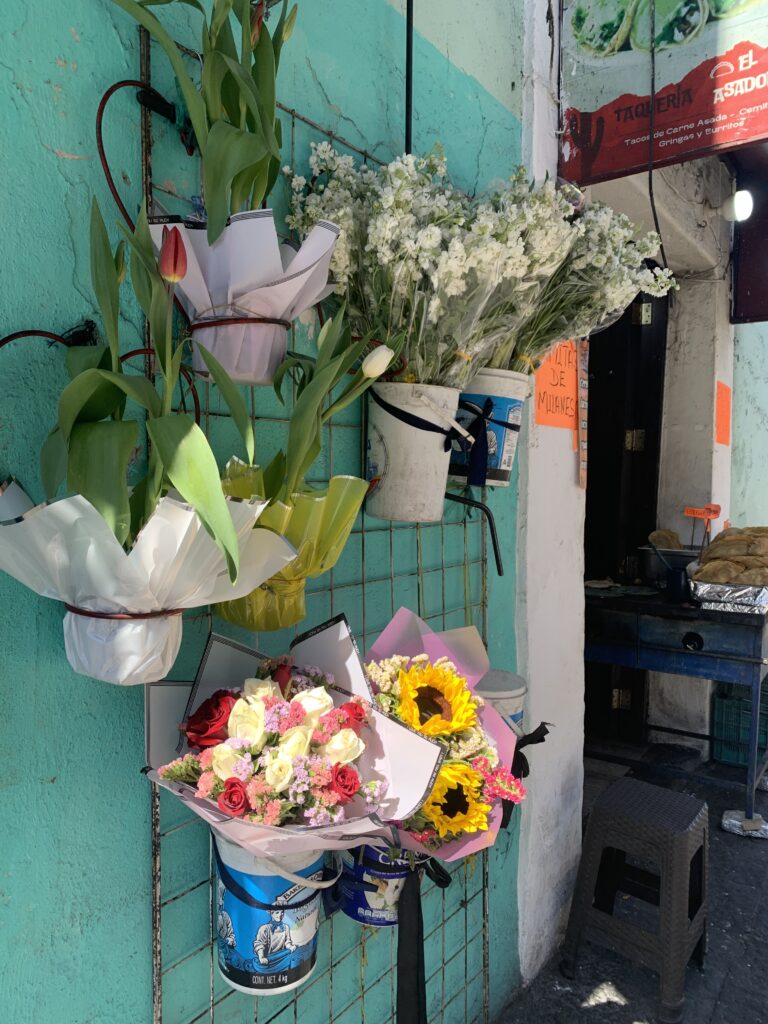
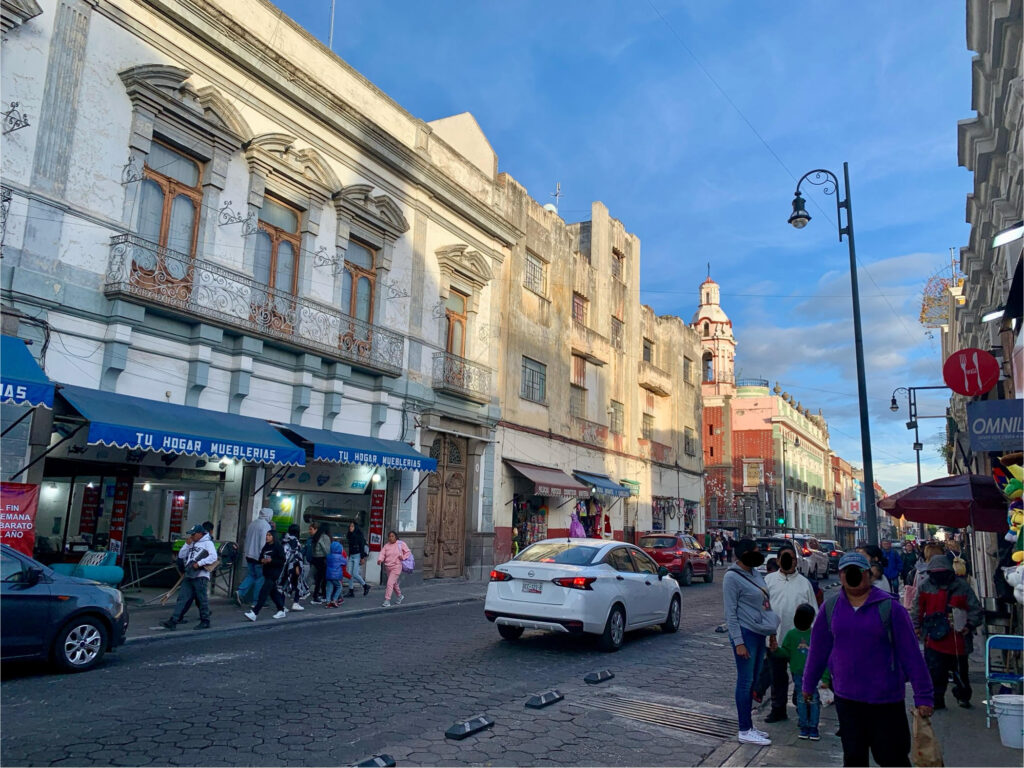
On a Saturday evening, we walk down 16 of septiembre towards the Zocalo. Fellow pedestrians fill the sidewalks. A tiny floral shop offers potted tulips. Across the street layers of roasting meat spin on a spit in front of a shop selling Tacos Árabes. A baby strapped to his father gives Langston a steady gaze. The dizzying scent of fresh bread wafts past us.

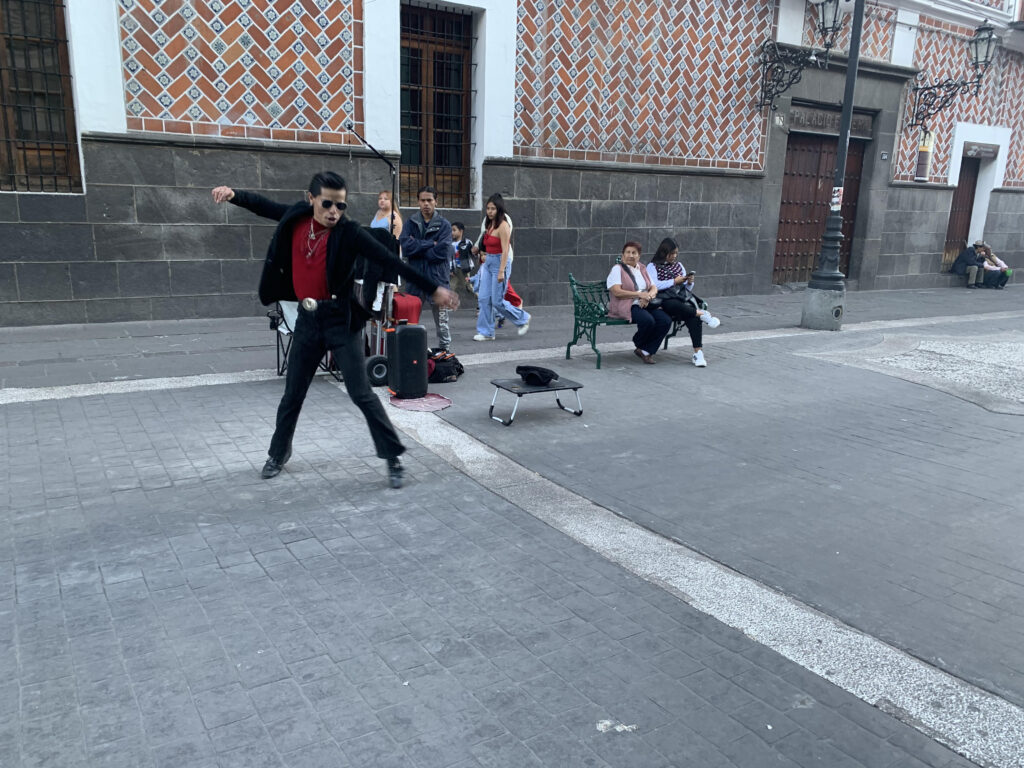
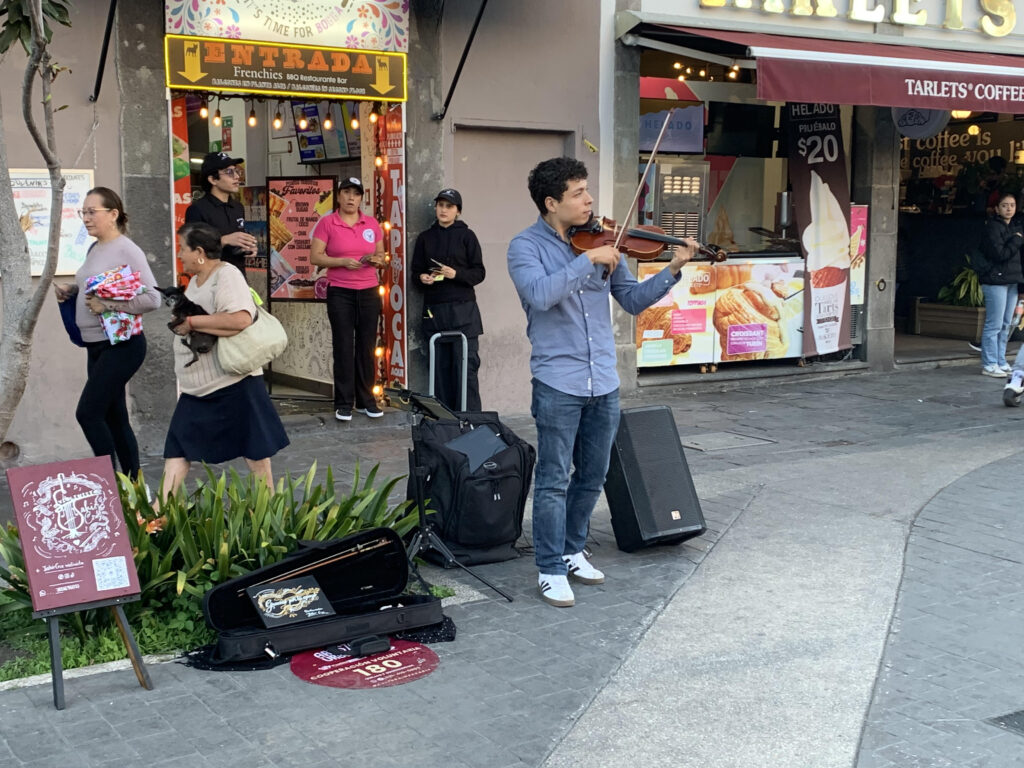
As we get closer to the Zocalo, performers fill the street. A couple covered in a bronze glaze poses as statues on a bench. The sound of Michael Jackson’s “Thriller” starts up, and a dancer lifts his head. Cords from “Thriller” intertwine with a violin playing “I Did It My Way.” We weave between families, couples, and groups of teenagers.

This guy dances nonstop.
One of the many musicians near the Zocalo.

“We thank you for all that is gracious in the lives of men and women, revealing the image of Christ.”

Two Fridays ago, Veronica motioned to the white chair in her office and sat down with coffee in hand. I had expected her to be in a hurry to get to work, but I sat down to chat. Veronica is a busy person. She teaches and supervises doctoral and masters’ students, travels for school evaluation work, oversees students doing practicums in schools, and so much more. Additionally, she now also often drives this Fulbright Scholar to work.

I had planned to take the bus to work, but Mark asked me, please do this one thing for him and take an Uber rather than navigate the bus system. That seemed like a fair request. But when Veronica heard I was taking an Uber, she told me that it would be “no problem” for her to pick me up on her way to work. Then she started showing up with coffee for both of us.

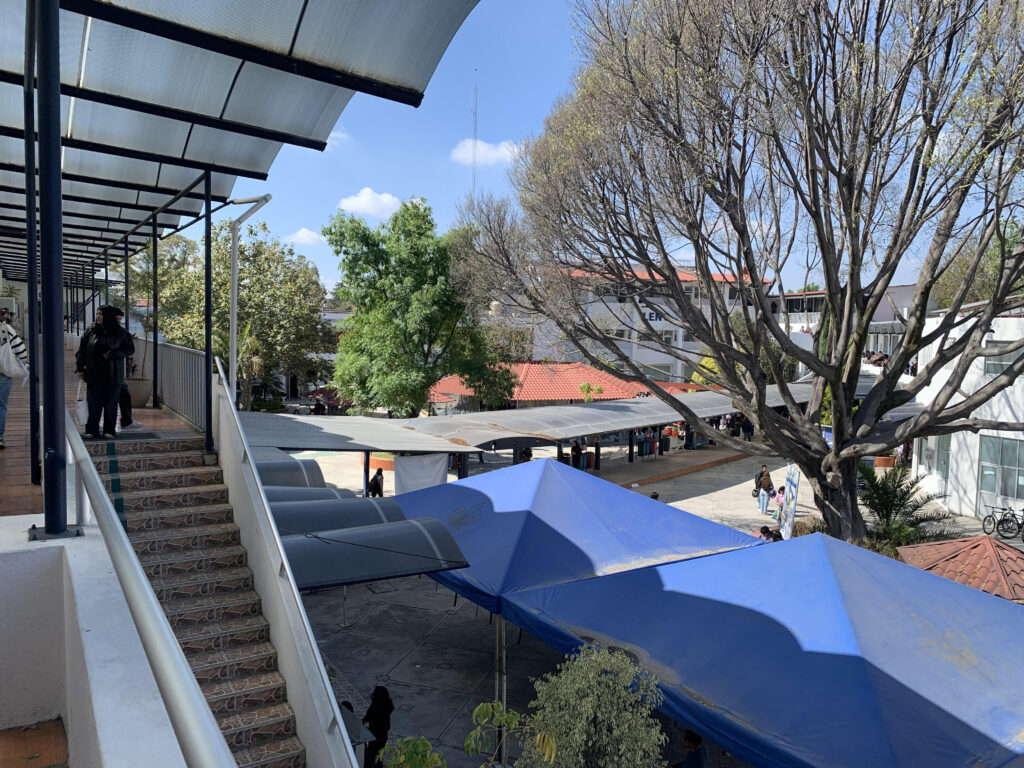
The Facultad de Lenguas in the morning before it fills up with students.

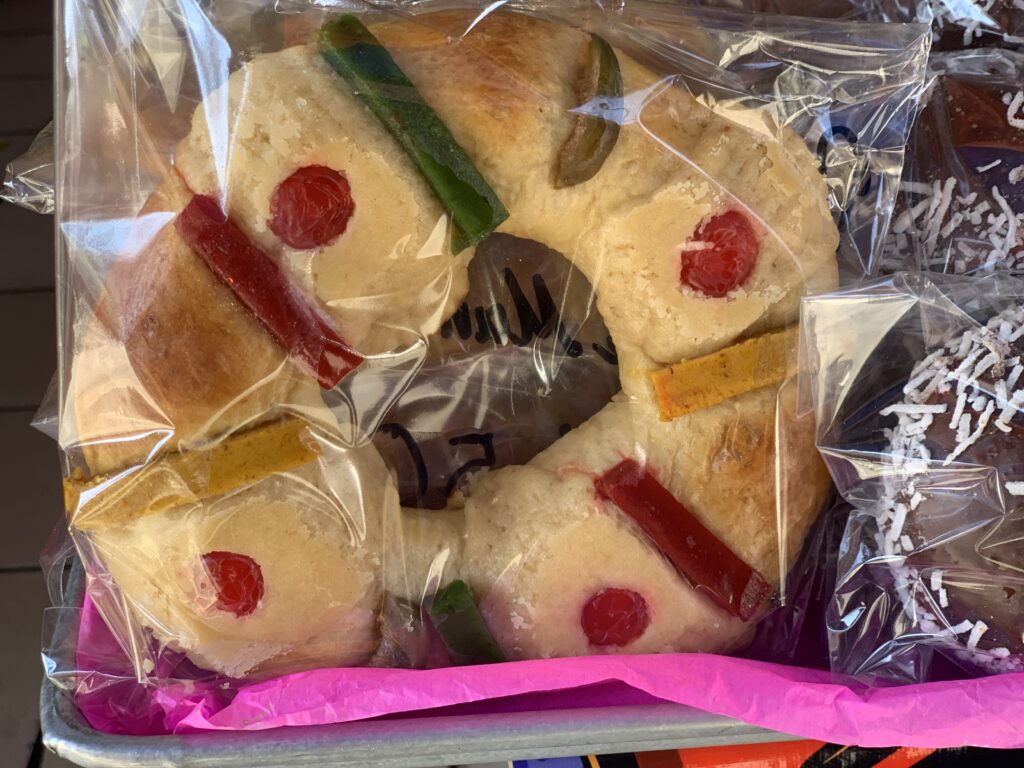
I have two sponsors with Benemérita Universidad Autónoma de Puebla (BUAP), Veronica in the Language Department and Chantal in Research and Postgraduate Studies. Both have been more than welcoming, but I have spent the most time with Veronica. On my first day at work, Veronica, several students, and a few faculty had a rosca de reyes to celebrate.

[Just as a note: I had thought the rosca de reyes was only for Three Kings Day, January 6. But I’ve had several times since then (and it is delicious). The bread has baby Jesus figurines in it, and the person who gets Baby Jesus in their piece of bread has to buy tamales for everyone on February 2, día de la Candelaria, celebrating the day Jesus was presented at the temple.]

Veronica and I talked for a few minutes before Veronica showed me where to get the key to my classroom for my first day of teaching and then made sure I could get in the classroom and use the technology. The students, all getting their master’s in Teaching English, came in one at a time, greeting me as they entered. Veronica introduced me to the students before leaving to teach her own class.

We thank you for setting us at tasks which demand our best efforts and leading us to accomplishments which satisfy and delight us.

One of the classes I am teaching is Academic Writing for the master’s students in the Teaching English program. While I felt confident about the content of the course, I had a lot to learn about the students and, as I prepared, I hoped the Academic Writing class was what they needed.

The classes are three hours long, so I spent a long time working on providing enough information combined with reflection and interaction. As I introduced the topic of academic discourse, it was clear that the students were interested. One student asked a question, and another shared an insight from his own experience. Before we left, several students stayed to express their interest in the class or ask additional questions.

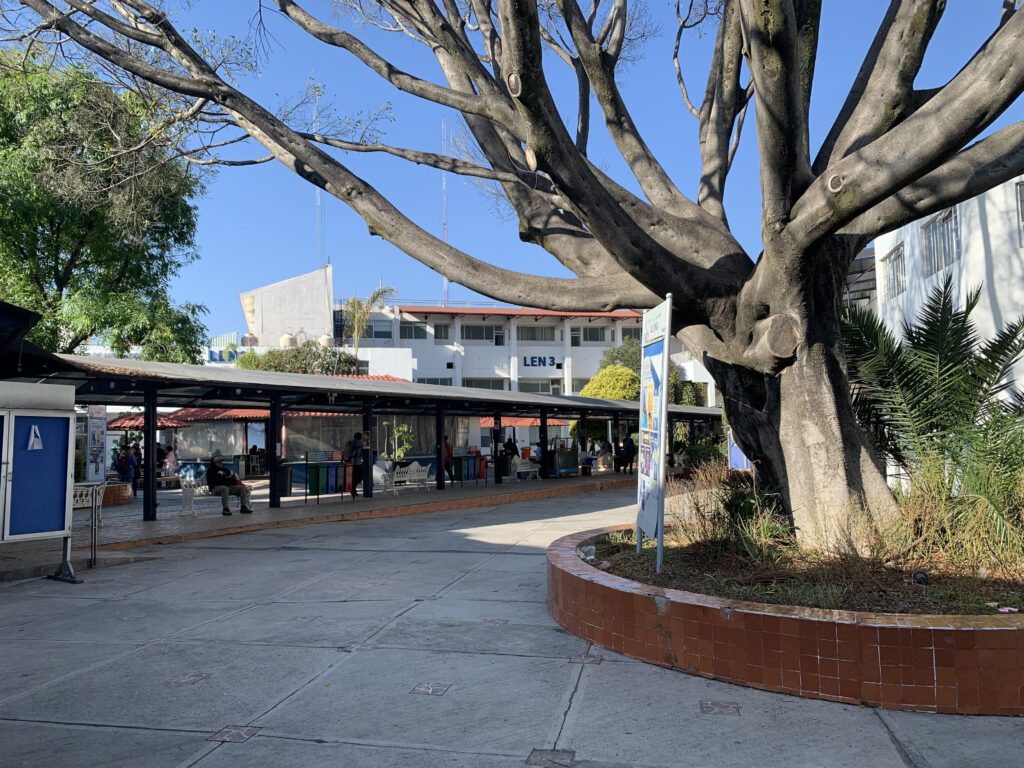
The center plaza of the Facultad de Lenguas is usually filled with students talking, eating, and studying.

“We thank you also for those disappointments and failures that lead us to acknowledge our dependence on you alone.”

Having had plenty of disappointments and failures, especially during my time in Peace Corps, I had expected so many more of these by this point in my time here. I, and we, have had some, but none that feel as crushing or as impossible as I expected. And this is largely due to the generous hospitality we have received.

Last Saturday, Veronica had the kids and me over for dinner. She drove for about 30 minutes to pick us up and then showed us around the beautiful Cultural Center on the way to her house. Her husband works out of town, but her delightful son and Langston hit it off. Over her homemade meal, we talked about her 107-year-old grandmother who had lived through the Revolution and how we had locked ourselves out of our apartment and had to climb in through a window. After a lovely evening, she drove us all the way back home.

Dinner at Veronica’s house

For all this, and more, I am truly thankful.  

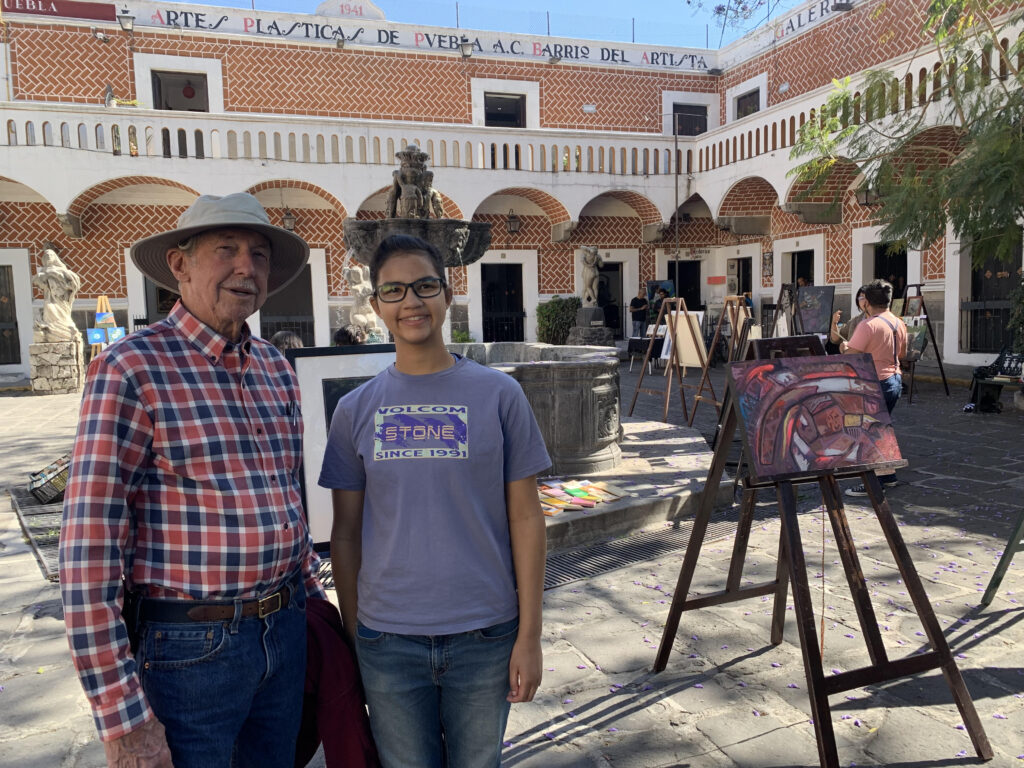
One more thing I am grateful for is my dad visiting. Here is my dad and Simone in the artists’ barrio.

Foiled

“You all have no idea how much you are going to need me in Mexico,” Mark sighed a few months ago.

But he is wrong. We do know. Mark embraced our new life with enthusiasm. He threw himself into trying Spanish, explored our neighborhood, and got our apartment set up.

We went to the Three Kings Procession. The kids did not want their photo taken with the Three Kings, but Mark did.

Mark replaced the harsh white lights in our apartment with warmer light bulbs, got a microwave for us, and rearranged Simone and Marie’s bedroom. Mark headed back to Tucson last week. I do know how much we need him; I also know that the only reason we can take this detour from our normal life is that if we do need him, he will be right there to help us. 

The day after Mark left, the plan was for our normal life to begin. At 6:45 a.m. the four of us, all nicely combed and buttoned up, marched the two blocks to the kids’ school. It was Langston’s first day of school. We crossed the street to avoid a crew of men fixing the stucco on an old building. A man selling juice greeted us from his little cart.

“It doesn’t seem like there are many kids,” Simone observed. Maybe we were too early.

But the school did seem very quiet. We stood outside the heavy iron school gate on the sidewalk. Simone was cold because she had forgotten a jacket. Church bells rang.

How Langston felt and how Marie felt about Langston’s first day of school.

Finally, we noticed some people entering the campus at another gate. The guard at that gate graciously tried to understand why we were there and then told us to wait. An English-speaking teacher came to the gate. I had the date wrong. This was not Langston’s first day of school; in fact, he does not begin school for almost two weeks. He and I feel very differently about this.

I decided that we needed to join a gym to keep him busy. But first I had to go to work, which, by the way, is going great. We visited one gym that was too fancy, another gym that was too far for him to walk, and another that seemed to work. Prior to joining, though, we needed proof of residency, a doctor’s note, and a certain number.

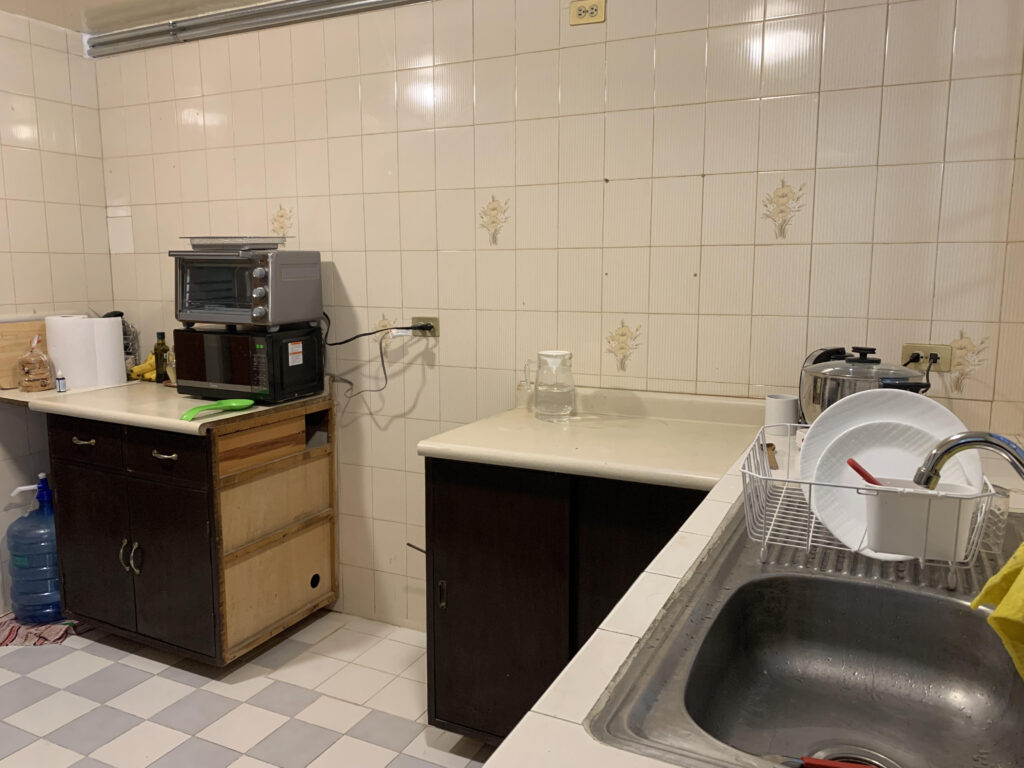
Meanwhile, the kids all need to eat. So often. How can kids eat so much? Mexico is a comparatively easy place for a dairy-free, egg-free, nut-free, seed-free diet. But we don’t have a stove yet. We do have an air fryer, but I can’t seem to make enough food in it; the meals seem to come out for two people rather than four. I bought a single electric burner and tried to make pasta. The water boiled, but once I put the pasta in the pot, the little burner wouldn’t heat up the water fast enough and we ended up with a gooey dish. “Mom, I thought you knew how to cook,” Marie said.

Despite the stacked appliances, something is clearly missing from our kitchen.

I was going to get us signed up for that gym. I called my doctor in Arizona for the doctor’s note. He said, no, providing a note like that is not something he can do. I texted my sister complaining about this, and she said to go to the closest pharmacy with a consultorio. So, I walked half a block to a consultorio medico, knocked on the door, and waited two minutes. The doctor answered the door and asked what I needed. He spent 20 minutes in a thoughtful conversation and kind examination and then gave me the note. At the end of the appointments, after confirming that I had all I needed, he asked for payment, 70 pesos, or about 4 US dollars, which I gave to him. He then gave me a candy.

Saturday morning, I thought we were ready to join the gym. I had gathered the other required documents in addition to the doctor’s note. We were ready and excited to swim and work out. We walked the 0.8 miles to the gym, and we were told that the woman who does memberships is out and will be back on Monday.

“Foiled again,” I said as we excited the building.

I have not successfully started the kids in school or joined a gym, and I am losing the constant Parent Vs Screen Time War, but I have hope that some of our larger goals, like expanding our hearts and minds are still in sight. I’ve convinced the kids that when we take out the garbage at night, we walk once around the plaza outside our apartment.

“Mom,” Simone said as we walked out of the gate one night. “How long do you have to wait after doing one Fulbright to apply for another one?”

“Oh,” Marie said, “look that up, Simone.” And I felt a little triumphant.

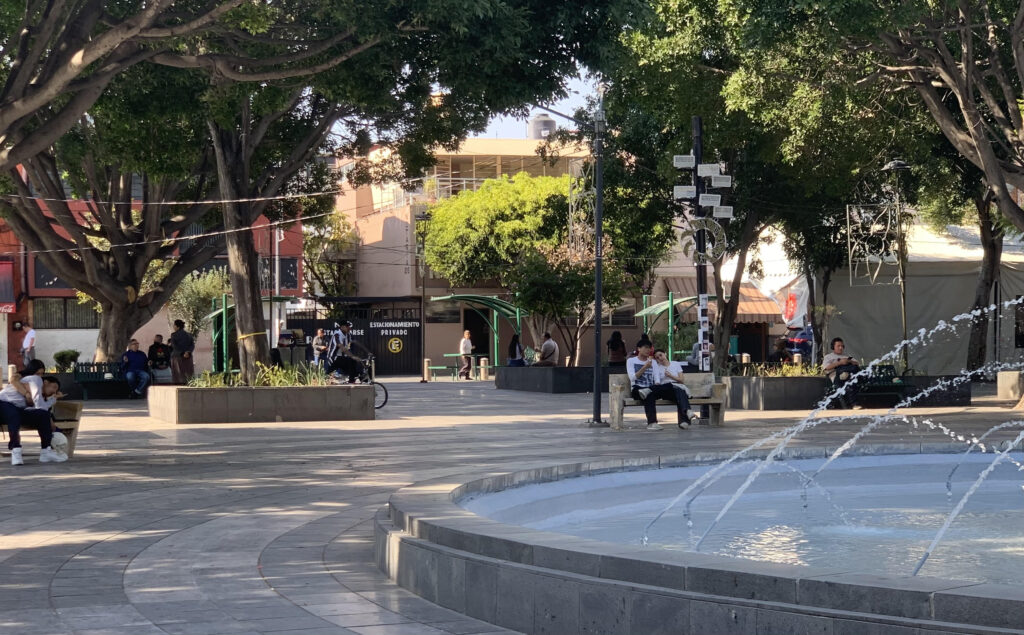
The plaza near our house.

Earthquake (and People Who Make You Want to Smile)

Before we got our baggage in the airport, one child told me that they liked the U.S. better. And by the time we got to our apartment, another told me that they were ready to go home.

The kids did not choose this experience. I realize now that I imagined that they would be transformed into cooperative, inquisitive adults in the space between leaving our home and arriving at the Puebla bus station.

On our way. Not in the picture, my one-inch binder of documentation authorizing the transportation of Marie’s shots. None of the airport authorities were interested in it.

The travel went seamlessly. My sister and her family drove us to the airport and gave us a warm goodbye. The five-month supply of shots that Marie gets every two weeks and that must be refrigerated went through both TSA and customs without a hitch. A friend of ours, Sara, grew up in Puebla and is visiting her family here. Her husband, Jim, met us at the Puebla bus station and drove us to our apartment near the historic center of Puebla.

Our living room
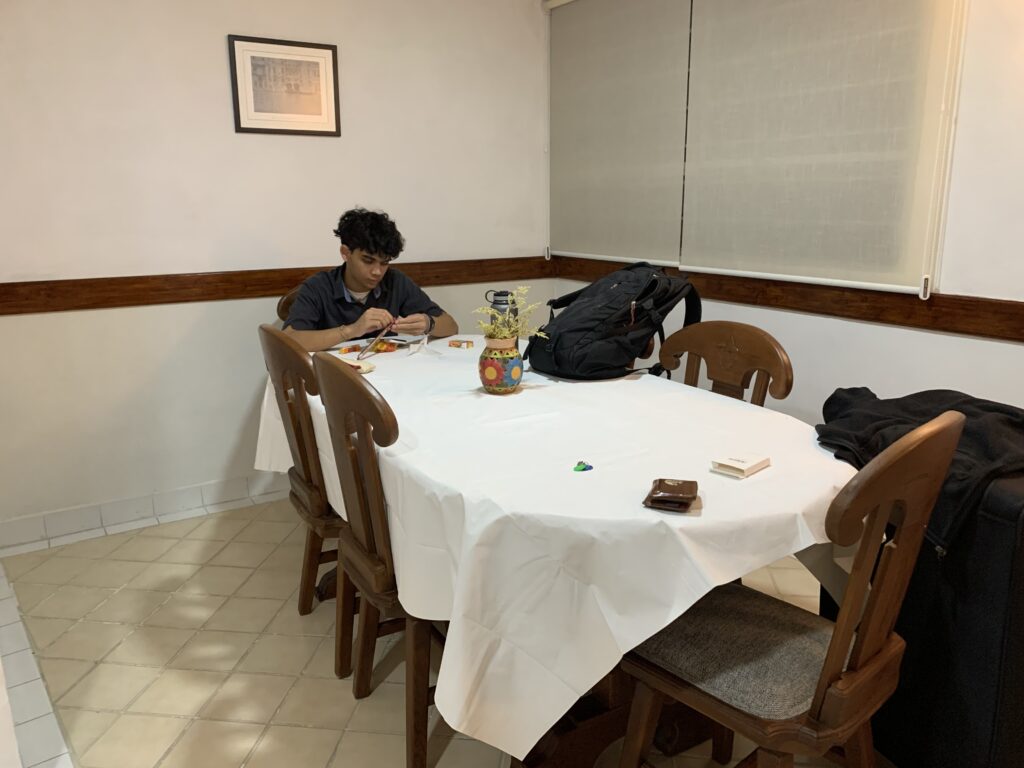
Our dining room

We have been met with such care and hospitality. Jim is an archeologist and gave us a tour of the area and the pyramids in Cholula. After spending most of the day with us, he offered to take us to the grocery store because he knows how hard it is to shop without a car. Sara and her extended family welcomed us into their New Year’s celebration in their family home with fireworks, so much good food, and celebration.

Over a decade ago, when I was teaching freshman composition, one of my students from Mexico wrote an essay titled “Americans Don’t Know How to Party.” Sara and her family showed us how to do it.

Our landlady, Celia, their son, and husband, have done all they can to welcome us. “She’s the kind of person,” Marie said after meeting our landlady, “that makes you want to smile when you meet her.”

Celia has answered all my questions so far.

“How do I wash the vegetables?” I asked her. She told me to use soap and then soak them in water with disinfectant drops. “I’ll give you a bottle, so you know what to buy.”

I asked her what to do if we have a medical emergency. “Call us first,” she told me. “Our friend is a doctor who works one block away, and he will take you to the hospital.”

One day Celia took me on a three-mile walk through our neighborhood, guiding me through the crowded streets showing me where to buy the freshest meat and vegetables, which cafes to visit, and which small shop is best for school supplies.

This is the first time that the kids have had to adjust to a new place. School begins soon, and it is all a lot. But we are having our moments – joining in Sara’s family’s hugs at the start of the new year, eating ice cream on a bench at night under the silhouette of the cathedral against the moon, sampling an array of fresh pastries until we decided on our favorite.

One morning the kids navigated their first earthquake, racing out of the apartment and down to the courtyard. They did this all with cool composure. Since it was only a small earthquake in Puebla, that experience was easier than starting a new school. But an earthquake is not an inaccurate metaphor for what I have imposed on them, and their reaction gives me confidence that they will continue to adjust.

Waiting out the earthquake in the courtyard of our building.

Welcome

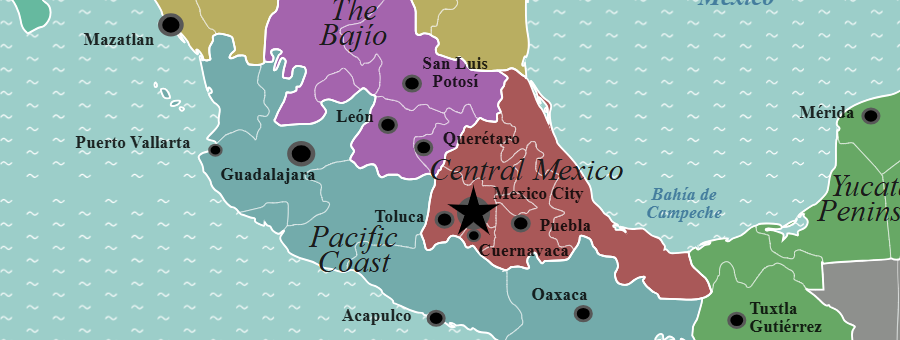
For those of us who occasionally need a little update on geography, Puebla is just southeast of Mexico City.

Hello,

I decided to keep a blog about our family’s semester in Mexico mainly for myself, a chance to consider and remember the moments that will make up our time in Puebla. But this is a blog, also for you, family and friends who care about us and asked for updates, so I’ll record true stories, but, as a blog, not all the stories.

One semester is such a brief moment in time, so brief that, occasionally, I already feel as if the time is a memory. In my future memory, these five months are a lovely, golden nugget. I hope I am right about that. And I welcome you along with us to find out.

In 1980, my Aunt Susan, my mother’s older sister, packed her bags, slammed the trunk of her car shut, and drove south towards Puebla, Mexico. She ran a library and taught for three years at Puebla Christian School. I’ve been thinking of her recently and how her history and my future are crossing in the same city 46 years later.

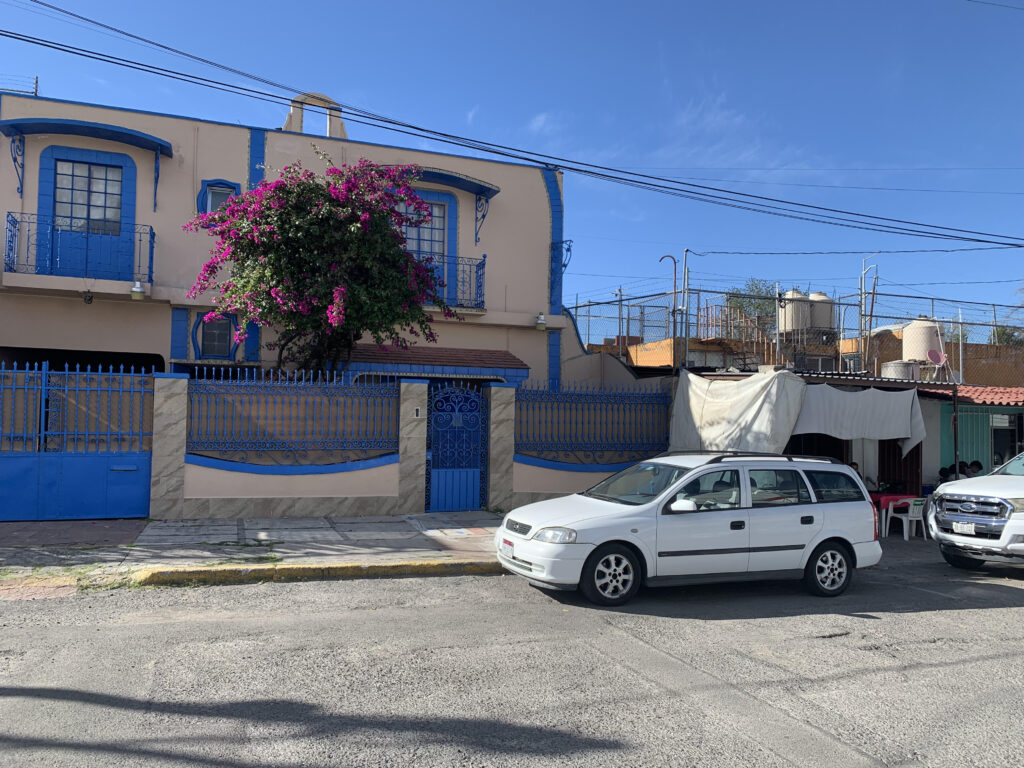
Puebla Christian School 45 years after Aunt Susan arrived. To my knowledge, the car in the photo has no relationship to the car she drove.

My own journey to Puebla began when I first considered applying to the Fulbright Scholar program in 2022, I was inspired by a Fulbright Scholar working at Uganda Christian University’s writing center. He was generous with his time and ideas when I reached out for advice. I began generating ideas to apply for the Fulbright to support the work he started. Through a path that in retrospect seems both circuitous and weirdly foreordained, rather than at Uganda Christian University, my Fulbright work will be at the Benemérita Universidad Autónoma de Puebla (BUAP).

BUAP was established by Jesuits only a few years after building began on Puebla’s cathedral in 1575. It is no longer a Catholic university, but now a public university with over 70,000 students in campuses across the state of Puebla. I will be in the Facultad de Lenguas working with master’s students writing theses in English and with the Vicerrectoría de Investigación y Estudios de Posgrado to offer workshops on publishing academic articles in English.

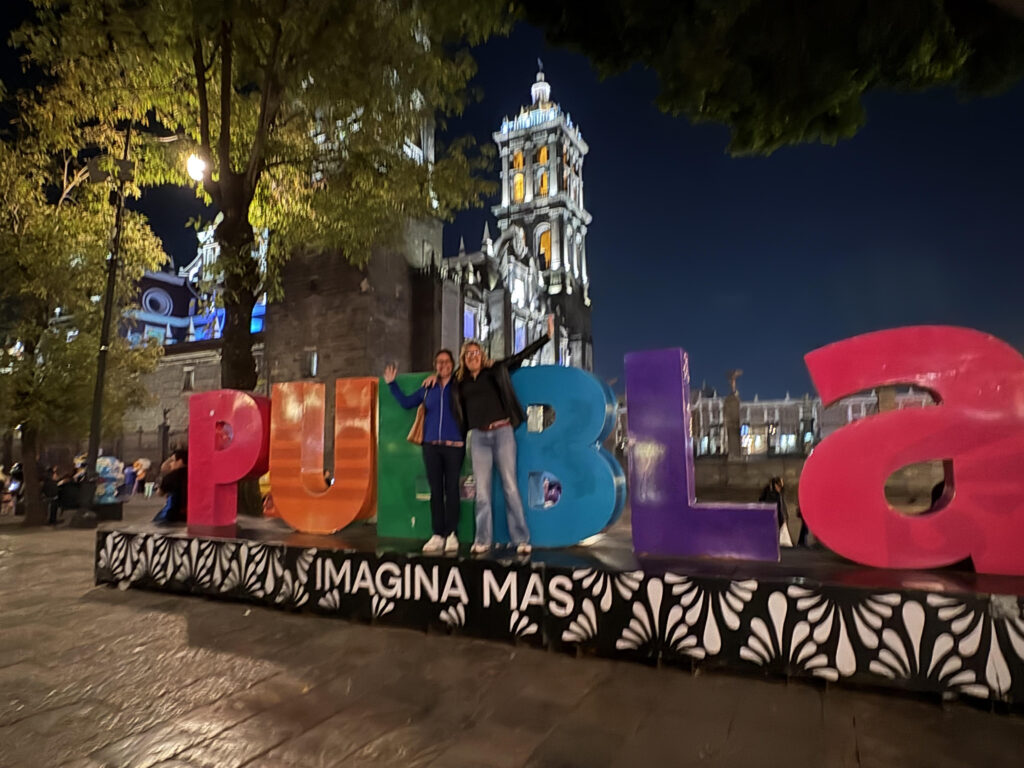
My sister and me in front of Puebla’s cathedral.

When my sister, Leslie, joined me for a little scouting trip to Puebla in November, the trip went wildly better than either of us imagined it could. We found a bilingual school and an apartment two blocks from the school. We also had a wonderful time.

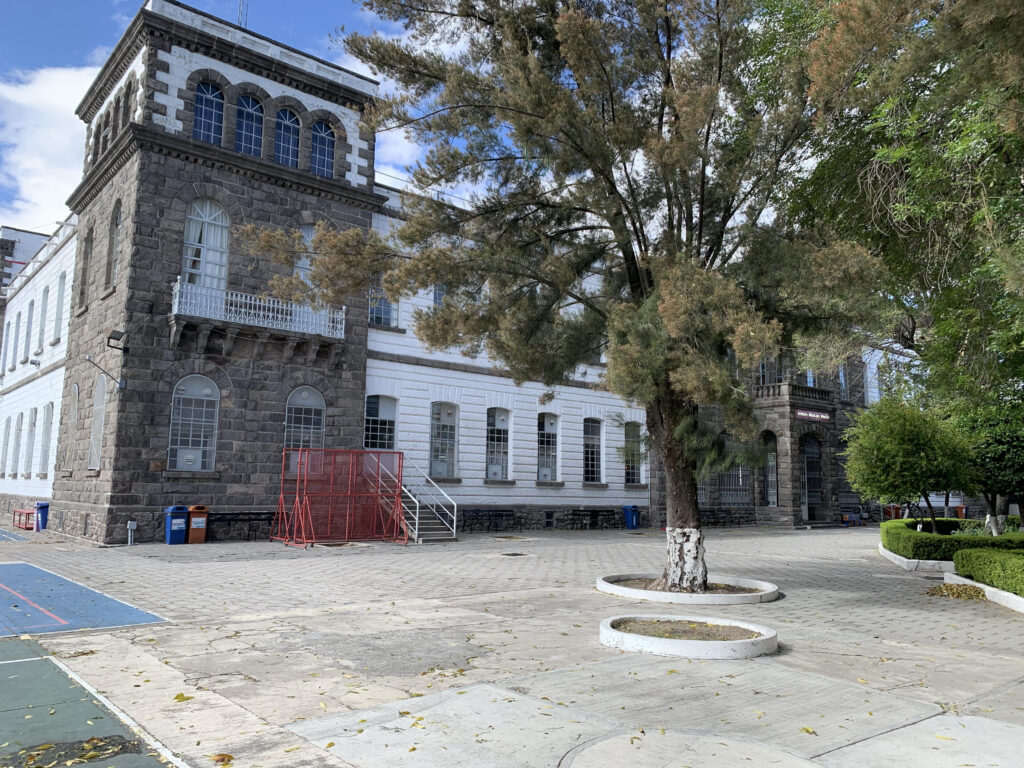
The kids’ new school.

Leslie and I toured the school where Aunt Susan worked. A group of kids were strumming guitars downstairs, a student inquired seriously over a book with her teacher, and the library was there, full of books, at the bottom of the school.

Aunt Susan’s stories and the beautiful hats she brought back during her visits were my first impression of our southern neighbor. There in the place that she worked, I thought about how her time in Mexico changed her and possibly me. Five months is a brief moment in time, and I am curious about how it will change each member of our family and the winding paths that are our lives.  

One path that will be part of our lives in Puebla.